
 dog looking up from its indoor cage.” style=”width:100%;height:auto;border-radius:8px;” loading=”lazy” />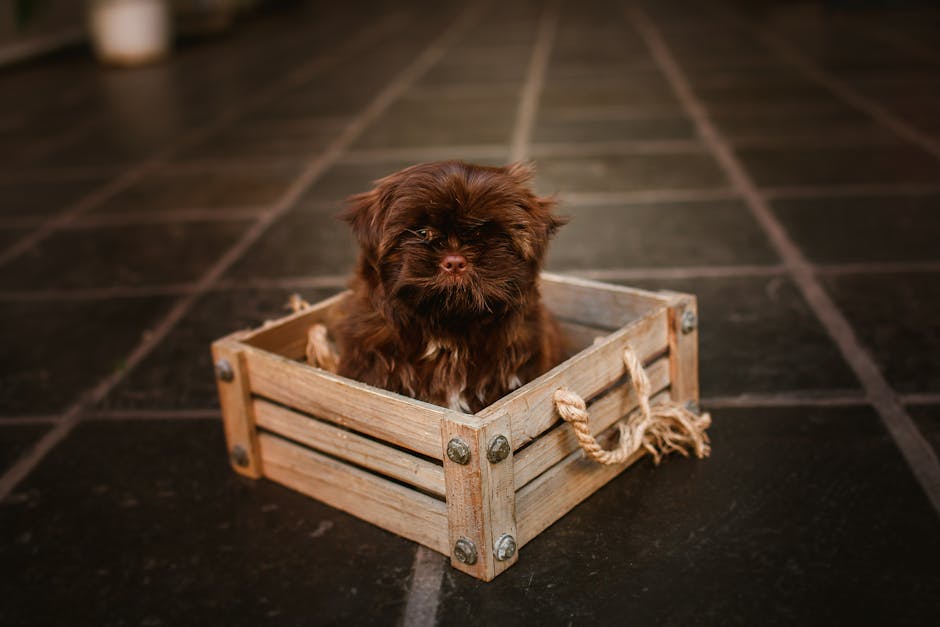
Understanding Canine Anxiety: A Surprising Statistic
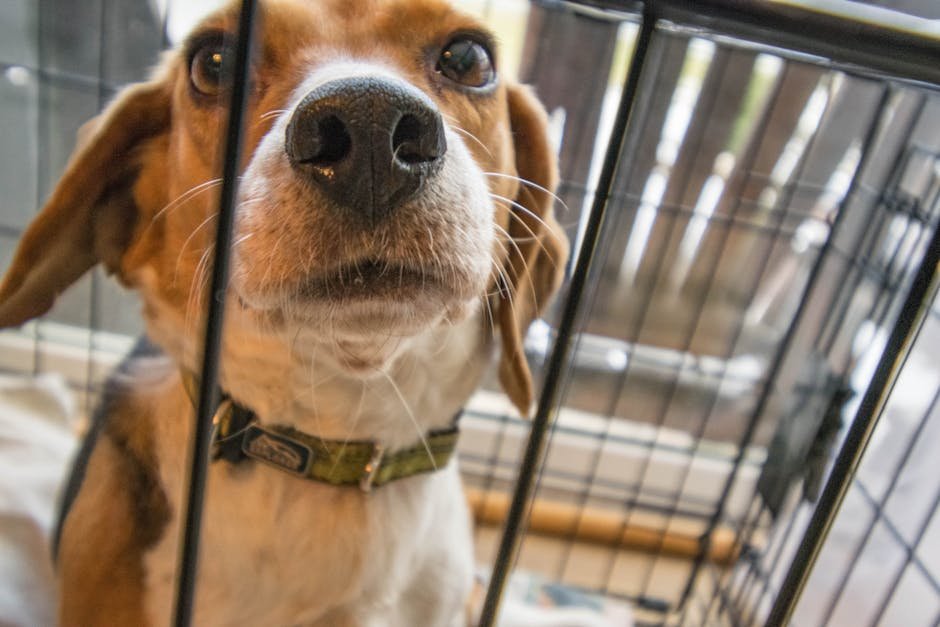
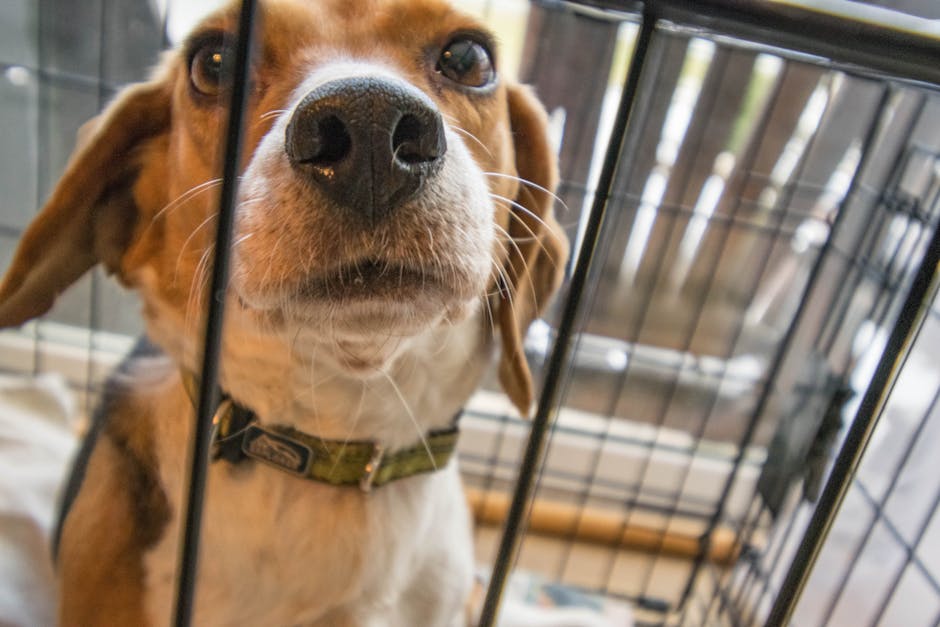
Nearly 40% of dogs exhibit signs of anxiety during their lifetime, according to the American Veterinary Medical Association (AVMA). Anxiety can manifest as destructive behavior, excessive barking, or even self-injury. One effective management tool is a properly sized dog crate, which can create a secure space and reduce stress triggers.
Key Takeaways:
Choosing the right dog crate size is crucial to alleviating anxiety. Oversized or undersized crates can worsen stress. This guide includes size recommendations and product insights for optimal comfort and calm.

Why Crate Size Matters in Anxiety Management
Crates mimic a den-like environment, offering dogs a safe retreat. However, if the crate is too large, dogs may feel exposed, defeating the calming purpose. Too small, and the dog can feel cramped, increasing discomfort and anxiety.
Ideal Crate Dimensions Based on Dog Size
- Small Breeds (up to 20 lbs): Crate length 24 inches, height 19 inches
- Medium Breeds (21-50 lbs): Crate length 30 inches, height 21-24 inches
- Large Breeds (51-90 lbs): Crate length 36-42 inches, height 25-27 inches
- Extra Large Breeds (90+ lbs): Crate length 48 inches or more, height 30 inches plus
These sizes allow dogs to stand up, turn around, and lie down comfortably, which is essential for stress relief (Source: ASPCA).

Types of Dog Crates for Anxiety
Different crate designs offer various benefits for anxious dogs. Here are the most common types:
- Wire Crates: Good ventilation and visibility but may be overwhelming for sensitive pups.
- Plastic Crates: Enclosed sides provide a den-like feeling, reducing visual stimuli.
- Soft-Sided Crates: Lightweight and portable but not ideal for dogs who chew or escape.
- Heavy-Duty Crates: Durable and often soundproofed, helpful for severe anxiety.
Comparison of Popular Anxiety-Friendly Dog Crates
| Feature | MidWest iCrate | Petmate Sky Kennel | EliteField Soft-Sided |
|---|---|---|---|
| Type | Wire | Plastic | Soft-sided |
| Size Options | 18-48 inches | Small to XL | Small to Medium |
| Ventilation | Excellent | Moderate | Good |
| Weight | 12-30 lbs | 15-40 lbs | 5-10 lbs |
| Price Range | $50-$140 | $70-$200 | $40-$80 |
| Ease of Cleaning | Easy | Moderate | Easy but fabric |

Pricing Breakdown per Size
| Crate Size | MidWest iCrate Price | Petmate Sky Kennel Price | EliteField Price |
|---|---|---|---|
| Small (24″) | $55 | $75 | $45 |
| Medium (30″) | $75 | $95 | $60 |
| Large (42″) | $110 | $140 | N/A |
| Extra Large (48″) | $140 | $200 | N/A |
Pros and Cons of Each Crate Type
MidWest iCrate (Wire)
- Pros: Excellent airflow, foldable for storage, affordable
- Cons: Less privacy, can be noisy if dog moves a lot
Petmate Sky Kennel (Plastic)
- Pros: Enclosed for privacy, durable, airline approved
- Cons: Limited airflow, heavier and less portable
EliteField Soft-Sided
- Pros: Lightweight, easy to transport, good for calm dogs
- Cons: Not chew-proof, less durable for anxious chewers
Choosing the Right Crate for Your Dog’s Anxiety
Consider your dog’s anxiety severity, chewing behavior, and environment. For mild anxiety, a soft-sided or wire crate with a cozy cover may suffice. Severe anxiety or escape artists benefit from sturdy plastic or heavy-duty metal crates.
Additional Tips for Anxiety Reduction
- Use crate covers to create a cozy, dark den-like atmosphere.
- Place familiar bedding inside the crate for comfort.
- Practice positive crate training with treats and gradual introduction.
- Consult with a veterinarian or certified behaviorist if anxiety persists.
You May Also Like
- Does a Pet Camera Actually Help with Separation Anxiety?
- Why Generic Dog Food Advice Fails—What Vets Recommend
- What Veterinary Research Reveals About Pet Microchips
FAQ
Can a crate make my dog’s anxiety worse?
Yes, if the crate is too small, too large, or used improperly, it can increase anxiety. Proper sizing and positive training are key.
How do I measure my dog for the correct crate size?
Measure your dog’s length from nose to tail base and height from the floor to the top of the head. Add 2-4 inches for length and height to ensure comfort.
Is it safe to leave my anxious dog in a crate for long periods?
Extended time in a crate can be stressful. Use the crate for short intervals and always provide breaks for exercise and socialization.
What if my dog refuses to enter the crate?
Gradual positive reinforcement training with treats and patience can help. Never force your dog inside, as this may increase anxiety.
This is informational content, not veterinary advice. Consult your veterinarian for personalized recommendations.
📌 You May Also Like