
Many cat owners assume all litter works about the same if the box looks clean. Veterinary and shelter guidance suggests otherwise: litter texture, absorbency, and dust levels can affect both litter box acceptance and respiratory comfort in sensitive cats.
If your cat tracks litter everywhere, avoids the box, or leaves you fighting odor by day two, the problem may not be your cleaning routine. It may be the litter type itself.
Key Takeaways: Clumping clay is usually the most effective all-around fix for odor control and easy scooping, crystal litter can last longer with lower scoop volume but may bother texture-sensitive cats, and natural litter is often the better pick for low-dust households and owners prioritizing plant-based ingredients. The right answer depends on your cat’s paws, odor tolerance, dust sensitivity, and budget.
This article compares clumping, crystal, and natural cat litter through a problem-solution lens. Using guidance from sources such as the AVMA, ASPCA, PetMD, and published veterinary research on feline behavior and environmental management, here is how each option solves common litter box frustrations.
This is informational content, not veterinary advice. Consult your veterinarian for personalized recommendations.

The Real Problem: Why So Many Litter Setups Fail
Most litter complaints come down to four issues: odor, tracking, dust, and litter box avoidance. Cats are often more selective than owners expect, and even small changes in texture or scent can reduce box acceptance.
The ASPCA and feline behavior resources consistently note that cats prefer clean, accessible boxes with a substrate they find comfortable. Meanwhile, veterinary sources including PetMD frequently warn that heavily perfumed products or very dusty litter may worsen the experience for some cats and owners alike.
- Odor problem: Urine sits too long or is not absorbed quickly enough.
- Cleaning problem: Waste breaks apart, making the box harder to maintain.
- Comfort problem: Sharp crystals, rough pellets, or strong scents discourage use.
- Budget problem: A cheap bag may cost more over time if it needs frequent full changes.
Below are the four most effective solutions, ranked by how often they solve the average household’s litter box problems.
Solution #1: Clumping Clay for Fast Odor Control and Easy Scooping
For most homes, clumping clay remains the most reliable first fix. It forms tight urine clumps, which means you remove moisture quickly instead of letting it soak into the whole box.
That matters because odor control improves when waste leaves the box fast. Many premium clumping formulas use bentonite clay and activated carbon, and typical product labels list low moisture retention with strong absorption performance.
Why it works
- Rapid clumping: Urine forms scoopable masses within minutes.
- Better odor isolation: Waste is physically removed instead of lingering.
- Usually familiar texture: Many cats prefer sand-like granules over larger pellets.
Common nutrition-style product specs vary by brand, but many clumping litters fall around 0.5% to 1.5% moisture in the bag and absorb multiple times their weight in liquid. Typical pricing ranges from about $0.70 to $1.60 per pound, depending on dust control and fragrance additives.
How to implement it
Fill the box to about 3 to 4 inches deep so clumps form before urine reaches the bottom. Scoop at least once daily and top off with fresh litter every few days rather than dumping the entire box too often.
For multi-cat homes, unscented clumping litter is usually the safest starting point. AVMA-aligned feline care advice generally favors clean, predictable environments over heavily fragranced masking products.
Potential drawback
The main issue is dust and tracking. Some low-cost clay litters create more airborne dust, which can be unpleasant in small apartments or for cats with chronic airway sensitivity.
Solution #2: Crystal Litter for Longer Lasting Dryness
If your biggest frustration is wet, smelly litter after only a few days, crystal litter can be a strong second option. Made from silica gel, it absorbs moisture and dehydrates waste efficiently, leaving the box drier between full changes.
This can work especially well for single-cat homes where owners want less daily scoop volume. Instead of forming solid urine clumps, most crystal litters trap moisture inside porous granules and require stirring plus stool removal.
Why it works
- High absorption: Silica gel can hold substantial moisture relative to its weight.
- Dryer box surface: Less soggy litter means slower odor buildup.
- Lower total litter weight: Bags are often lighter than clay equivalents.
Many crystal products cost roughly $1.80 to $3.20 per pound, which looks expensive upfront. But because one tray can last longer in the right setup, cost per week may be closer to mid-range clay for some households.
How to implement it
Use crystal litter if your cat tolerates the texture and you are willing to stir the box daily. Remove stool promptly, mix the crystals to redistribute moisture, and replace the full tray on the brand’s schedule or sooner if odor rises.
This option is most practical for owners who want less heavy lifting. A 4-pound crystal bag may last about as long as a much heavier clay refill in a single-cat home.
Potential drawback
Texture is the biggest deal-breaker. Some cats dislike the larger, harder granules, and stepping on crystals can be uncomfortable for seniors, declawed cats, or cats with tender paws.

Solution #3: Natural Litter for Low-Dust Homes and Sensitive Cats
Natural litter is not one material but a category that includes corn, wheat, walnut, paper, wood, grass seed, and cassava blends. If the problem is dust, fragrance, or ingredient preference, this is often the best direction to explore.
Several plant-based litters now offer competitive clumping and odor control, though performance varies more by material than in clay products. Some excel at urine clumps, while others are better for low tracking or compost-inspired sustainability goals.
Why it works
- Often lower dust: Useful in homes with respiratory concerns.
- Gentler texture options: Soft granules may improve litter box acceptance.
- Plant-based ingredients: Appeals to owners avoiding mined clay or silica.
Natural litter prices usually range from $1.20 to $2.80 per pound. Calorie counts and protein percentages do not apply here the way they do in pet food, so shoppers should focus instead on absorbency, dust rating, scent additives, and disposal instructions.
How to implement it
Transition slowly over 7 to 10 days by mixing the new litter with the old one. If you switch too abruptly, a texture-sensitive cat may avoid the box even if the new litter is objectively cleaner.
Look for unscented natural litter with clear dust claims and strong clump reviews. Veterinary behavior advice often supports gradual environmental change because cats are creatures of routine.
Potential drawback
Performance inconsistency is the tradeoff. Some natural litters track badly, some break apart during scooping, and some develop a sour smell faster in humid environments.
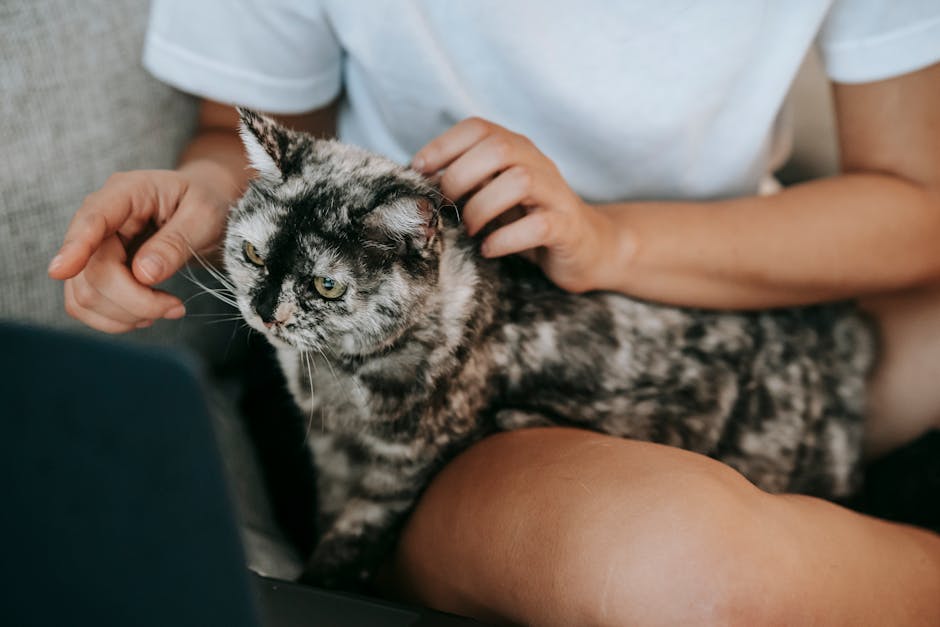
Solution #4: Match the Litter to the Cat, Not the Marketing
If you have already tried one type and gave up, the real fix may be better matching. Not every litter category fails for the same reason, and the right choice depends on the cat’s behavior as much as lab-style features.
Honest take: Most people overlook this, but it’s actually the feature that makes the biggest difference in daily use.
Published feline environmental research repeatedly shows that litter box success is about preference and predictability. Owners often solve the issue faster by identifying the exact pain point instead of chasing broad claims like “strongest odor control.”
| Feature | Clumping Clay | Crystal | Natural |
|---|---|---|---|
| Urine handling | Forms scoopable clumps | Absorbs into crystals | Varies by material |
| Odor control | Strong when scooped daily | Strong in single-cat setups | Moderate to strong |
| Dust level | Low to high by brand | Usually low | Low to moderate |
| Paw comfort | Usually familiar sand-like feel | May feel sharp or coarse | Often soft, but variable |
| Tracking | Moderate | Low to moderate | Moderate to high |
| Weight | Heavy | Light | Light to moderate |
| Best for | Most households | Longer dryness, lighter bags | Low-dust or ingredient-conscious homes |
| Type | Typical Price per Pound | Typical Replacement Pattern | Owner Rating Trend |
|---|---|---|---|
| Clumping Clay | $0.70-$1.60 | Daily scooping, periodic top-off | 4.2-4.7/5 |
| Crystal | $1.80-$3.20 | Daily stirring plus stool removal | 3.9-4.5/5 |
| Natural | $1.20-$2.80 | Depends on clumping strength | 4.0-4.6/5 |
Which Type Solves Which Problem Best?
Choose clumping clay if your biggest issue is odor control, fast cleanup, or a cat that prefers fine, sand-like litter. It is the most dependable all-purpose answer for typical households.
Choose crystal litter if you want a drier box with lighter carrying weight and your cat does not mind a firmer texture. It tends to work best in single-cat homes with consistent maintenance.
Choose natural litter if dust, fragrance, or ingredient sourcing matters most. It is often the better fit for owners trying to reduce airborne particles or move away from mined materials.
- For strong odor in small apartments: Start with unscented clumping clay plus daily scooping.
- For lighter bags and fewer full changes: Try crystal litter.
- For respiratory sensitivity: Test a low-dust natural litter or low-dust premium clay.
- For picky cats: Favor fine-texture, unscented formulas first.
Quick Reference Summary Table
| Rank | Solution | What It Is | Why It Works | Best Use Case |
|---|---|---|---|---|
| 1 | Clumping Clay | Bentonite-based scoopable litter | Removes urine fast, controls odor well | Most homes, multi-cat boxes |
| 2 | Crystal | Silica gel absorbent litter | Keeps box dry longer with lighter weight | Single-cat homes, less lifting |
| 3 | Natural | Plant, paper, or wood-based litter | Often lower dust and gentler ingredients | Sensitive cats, low-dust goals |
| 4 | Preference Matching | Choosing by cat behavior and pain point | Improves acceptance and consistency | Picky cats or repeated litter failures |
What Veterinary Sources Suggest Owners Keep in Mind
AVMA and other veterinary care resources emphasize that litter box problems are not always behavioral “bad habits.” They can reflect stress, pain, urinary issues, arthritis, poor box hygiene, or a disliked substrate.
The ASPCA and PetMD also commonly recommend monitoring for changes such as straining, frequent urination, crying in the box, or sudden avoidance. Those signs call for a veterinary check rather than another litter experiment.
Useful references for deeper reading include AVMA client education materials, ASPCA litter box guidance, PetMD feline care articles, and veterinary journal literature on feline elimination behavior and environmental enrichment.
This is informational content, not veterinary advice. Consult your veterinarian for personalized recommendations.
You May Also Like
- Chewy Autoship vs Amazon: Pet Discount Showdown
- Tidy Cats vs Dr Elsey’s: Dust & Tracking Showdown
- Cat Water Fountain vs Bowl: Hydration Showdown
FAQ
Is clumping litter safer than crystal or natural litter?
No single type is automatically safest for every cat. The better choice depends on dust sensitivity, paw comfort, litter box habits, and whether the product is scented or unscented.
Why did my cat stop using crystal litter?
Texture aversion is a common reason. Some cats dislike the harder feel of crystals, especially if they have sensitive paws or were previously using a fine-grain clay litter.
Does natural litter control odor as well as clay?
Some natural litters do, but performance varies widely by material and brand. Corn, grass, and cassava blends often outperform paper pellets for odor control, while premium clay still leads in consistency.
How often should I fully replace cat litter?
That depends on the litter type, number of cats, and scoop frequency. Even with strong products, most boxes need regular top-offs, full refreshes, and periodic washing to stay acceptable to cats.
📌 You May Also Like