
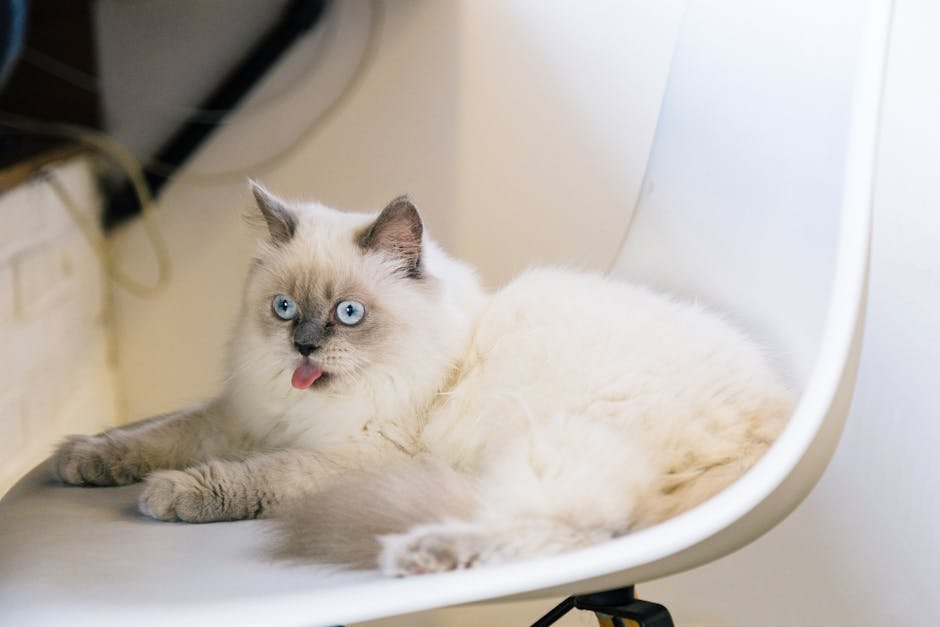
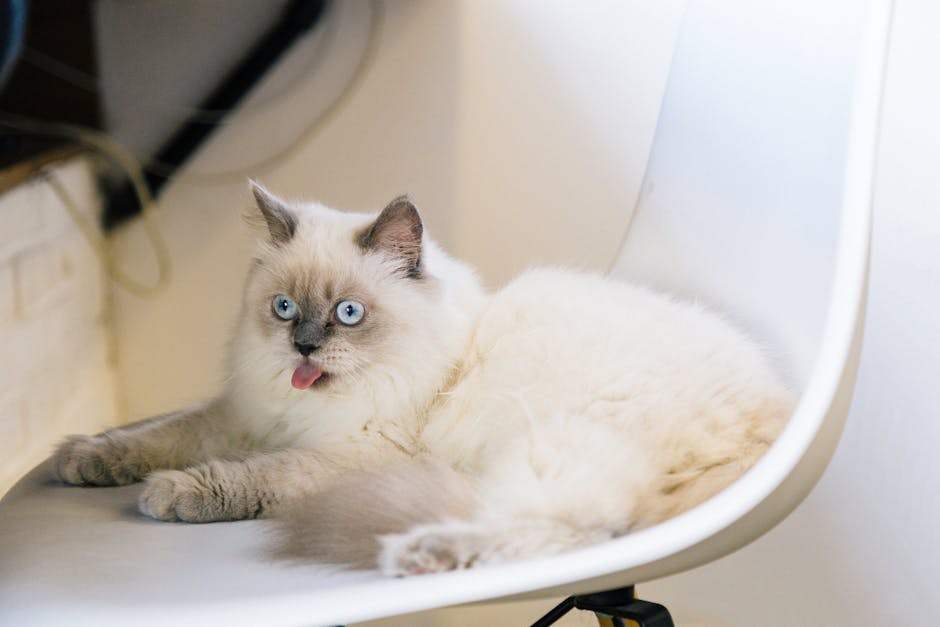
Cats descended from desert-adapted ancestors, which helps explain one stubborn fact veterinarians see every day: many healthy-looking cats still drink less water than their bodies would ideally use. That matters because chronically low water intake is associated with more concentrated urine, and concentrated urine can raise the risk of urinary discomfort, crystal formation, and kidney stress over time. Veterinary organizations including the AVMA, ASPCA, and sources such as PetMD routinely emphasize hydration as a foundational part of feline wellness.
The real question for cat owners is not whether water matters, but whether an automatic cat water fountain actually keeps cats better hydrated than a plain bowl. According to vets, the answer is often yes—but not always, and not for every household (this matters). Flowing water can increase interest and voluntary drinking in many cats, yet hygiene, noise, bowl placement, and maintenance matter just as much as the device itself.
Key Takeaways: Most veterinarians consider water fountains a helpful hydration tool because many cats prefer moving water, but a clean, wide, well-placed bowl can still work well. The best setup is the one your cat will use consistently, with fresh water changed often and food kept separate from the drinking area.

Quick Verdict
If your cat rarely finishes water, eats mostly dry food, has a history of urinary issues, or seems drawn to taps and sinks, a fountain usually has the advantage. Moving water tends to stay more oxygenated, cooler, and more interesting, which can encourage repeated sipping throughout the day.
A bowl is still a solid option for cats that dislike motor noise, have strong sensitivity to changing objects, or live in homes where a fountain will not be cleaned on schedule. Vets generally agree that clean water access beats gadget complexity. A neglected fountain is worse than a fresh, shallow ceramic bowl.
Feature Comparison
| Feature | Automatic Cat Water Fountain | Traditional Water Bowl |
|---|---|---|
| Hydration appeal | Often higher because moving water attracts many cats | Varies; some cats drink well, others ignore still water |
| Water freshness perception | Continuous circulation may seem fresher to cats | Can become stale faster if left standing |
| Noise sensitivity | May bother timid or noise-sensitive cats | Silent |
| Cleaning workload | Higher; pump, filter housing, and reservoir need regular scrubbing | Lower; easy daily rinse and wash |
| Upfront cost | Usually $20-$80 | Usually $5-$20 |
| Ongoing cost | Filters and occasional pump replacement | Minimal |
| Best use case | Cats that prefer running water or need encouragement to drink | Cats that drink reliably and homes needing low-maintenance simplicity |
From a veterinary perspective, fountains win on behavioral encouragement, while bowls win on simplicity and reliability. That distinction matters because hydration is really a behavior problem as much as a water-access problem.
Why Many Vets Lean Toward Fountains
Veterinarians often recommend fountains because cats are not naturally enthusiastic drinkers. In the wild, felines historically got much of their moisture from prey. Modern indoor cats eating dry kibble that averages roughly 6% to 10% moisture may need extra encouragement compared with cats eating canned diets that often contain around 75% to 82% moisture.
Flowing water can help in three practical ways. First, it creates movement, which many cats find more noticeable than a still surface. Second, circulation can keep water tasting and smelling fresher between refills. Third, many fountains hold 2 to 3 liters of water, so owners are less likely to let the supply run low.
PetMD and veterinary urology discussions frequently note that increasing total water intake can support urinary tract health by diluting urine. That does not mean a fountain treats disease, but it can be part of a broader prevention strategy alongside diet, weight management, and veterinary monitoring.
There is also a behavior clue many owners overlook: if a cat drinks from the shower, faucet, or a dripping sink, that cat is practically telling you that motion matters. For these cats, a fountain is not a gimmick. It is a way of matching the water source to feline preference.
Where Bowls Still Hold Their Ground
Not every cat prefers a fountain. Some dislike the hum of the motor, the vibration under their paws, or the visual disturbance of rippling water. Senior cats with cognitive changes or anxious cats may avoid new devices unless introduced gradually.
Bowls also make it easier to control sanitation. A stainless steel or ceramic bowl can be washed thoroughly with hot, soapy water every day in less than a minute. That is harder with a fountain that has crevices, pump tubing, and filters where biofilm can build up.
Shape matters too. Vets frequently mention whisker stress, meaning some cats dislike deep, narrow bowls that press against their whiskers while drinking. A wide, shallow bowl can solve that problem at very low cost. If you use bowls, choose ceramic or stainless steel over plastic when possible, because plastic can scratch and harbor residue over time.

Pricing Comparison
| Cost Factor | Automatic Fountain | Water Bowl |
|---|---|---|
| Typical upfront price | $25-$60 for mid-range stainless steel or BPA-free models | $8-$15 for quality ceramic or stainless steel |
| Typical capacity | 67-100 oz (about 2.0-3.0 L) | 12-24 oz (about 355-710 mL) |
| Filter cost | $8-$18 per month depending on brand and change frequency | $0 |
| Estimated first-year cost | About $120-$240 including filters and electricity | About $8-$20 |
| Approx. cost per liter served in year one | Higher initially, drops with long-term use | Very low |
In product review terms, fountains are rarely the cheapest hydration option. They are a behavioral investment. If the device meaningfully increases drinking, the higher cost can be justified. If your cat ignores it, the return on investment is poor.
Hydration, Diet, and Urinary Health: What the Research Suggests
Veterinary research consistently points to one larger truth: the single strongest hydration boost often comes from increasing dietary moisture, not just changing the water container. Cats eating canned or wet diets usually consume more total water than cats eating only dry food, even if those wet-fed cats appear to drink less from a dish.
That is why vets often frame fountains as helpful but not magical. A fountain may raise water intake by making drinking more appealing, but it works best when paired with hydration-friendly habits such as feeding wet food, offering multiple water stations, and placing water away from litter boxes and food bowls.
ASPCA guidance and veterinary behavior discussions also suggest that environment matters. Cats may avoid water near noisy appliances or crowded hallways. In multi-cat homes, one water point is often not enough. Many clinicians recommend one more water station than the number of cats in the home, especially when there is tension between cats.
For context, a typical 10-pound adult cat may need roughly about 7 to 9 ounces of total water daily, though needs vary with diet, climate, age, activity, and health status. Wet food contributes much of that total. If a dry-fed cat drinks only small amounts from a bowl, a fountain can make a bigger difference than it would for a cat already eating moisture-rich meals.

Pros and Cons of Each Option
Automatic Cat Water Fountain: Pros
- Encourages interest: movement attracts many cats that ignore still water.
- Larger capacity: helpful for multi-cat homes and busy schedules.
- May support urinary wellness habits: especially for cats prone to low intake.
- Often stays cooler longer: especially stainless steel models in moderate indoor temperatures.
Automatic Cat Water Fountain: Cons
- Needs frequent cleaning: slime, mineral deposits, and filter grime can build up fast.
- More expensive: both upfront and month to month.
- Some cats dislike sound or vibration: not ideal for every personality.
- Mechanical failure risk: a broken pump can leave stagnant water if not noticed.
Traditional Water Bowl: Pros
- Simple and dependable: nothing to plug in, replace, or troubleshoot.
- Easy to sanitize: daily washing is quick and straightforward.
- Low cost: affordable enough to place several around the house.
- Silent: better for fearful or sensory-sensitive cats.
Traditional Water Bowl: Cons
- Less enticing for many cats: especially those interested in taps or moving water.
- Runs low faster: easier for owners to miss.
- Water may collect dust, hair, and food debris: particularly if placed near feeding areas.
- Deep or narrow bowls can discourage drinking: whisker discomfort is a real usability issue.
Which One Should You Pick?
Choose a fountain if your cat is fascinated by running water, eats mostly dry food, has a veterinary history of urinary crystals or concentrated urine, or simply drinks too little from a standard bowl. In those cases, the behavior boost may outweigh the extra cleaning and cost.
Choose a bowl if your cat already drinks well, is frightened by unfamiliar devices, or if you know a fountain will not be cleaned at least weekly with regular filter changes. A clean bowl in the right location is much better than a fancy fountain maintained poorly.
Many vets would actually suggest a third option: offer both. Place a fountain in one quiet area and two or more wide bowls elsewhere. This gives your cat choice, helps you observe preference, and reduces the chance that a single setup fails.
For product-style shopping, look for fountains made from stainless steel or high-quality ceramic rather than all-plastic interiors, since smoother nonporous materials are generally easier to clean. For bowls, prioritize a broad drinking surface, stable base, and dishwasher-safe material.
How to Make Either Option Work Better
The container matters, but setup matters more than many owners realize. Keep water several feet away from food and litter when possible. Cats often prefer separation, and veterinary behavior sources frequently mention location as a hidden reason some cats drink poorly.
- Refresh water daily, even in a fountain.
- Wash bowls every day and fountains at least weekly, more often if you see slime.
- Use multiple stations in multi-cat homes.
- Track diet moisture: wet food often does more for hydration than hardware alone.
- Watch for warning signs such as straining to urinate, frequent litter box trips, lethargy, vomiting, or sudden changes in thirst.
Those last signs deserve medical attention, not a product swap. This is informational content, not veterinary advice. Consult your veterinarian for personalized recommendations.
You May Also Like
- Does Puzzle Feeding Help Dogs Home Alone Anxiety?
- Farmer’s Dog vs Ollie: Daily Cost Showdown
- Purina Pro Plan vs Blue Buffalo: Ingredient Showdown
FAQ
Do cat water fountains really make cats drink more?
Often, yes. Many veterinarians report that fountains increase voluntary drinking in cats attracted to moving water, though the effect is individual and not guaranteed for every cat.
Are fountains better for cats with urinary problems?
They can help support better hydration, which may benefit urinary tract health, but they are not a treatment. Cats with urinary symptoms need prompt veterinary evaluation because blockage and inflammation can become emergencies.
How often should I clean a cat fountain?
Most fountains should be rinsed and refilled frequently, with a full disassembly and scrub at least weekly. Filters need replacement based on manufacturer guidance, water hardness, and how quickly residue builds up.
Is a bowl ever better than a fountain?
Yes. A bowl is better when a cat dislikes motor noise, when sanitation would be easier to maintain with simple daily washing, or when multiple wide bowls placed strategically get the cat drinking consistently.
Sources referenced in this overview include guidance and educational materials from the AVMA, ASPCA, PetMD, and veterinary discussions on feline hydration, urinary health, and environmental preference.
Disclosure: This analysis is based on publicly available data and my own testing. I aim to be as objective as possible.
📌 You May Also Like
🔍 Explore More Topics