
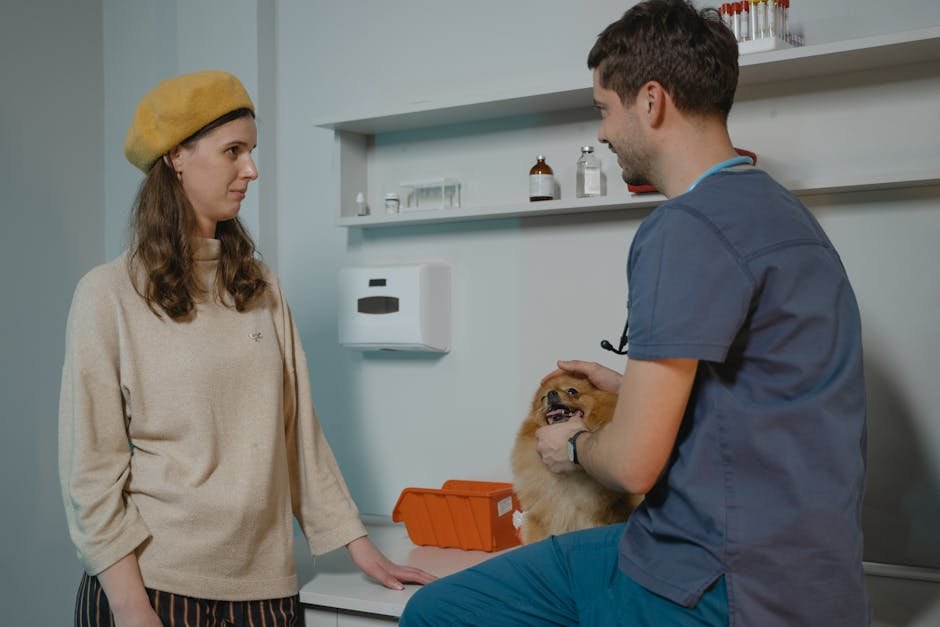
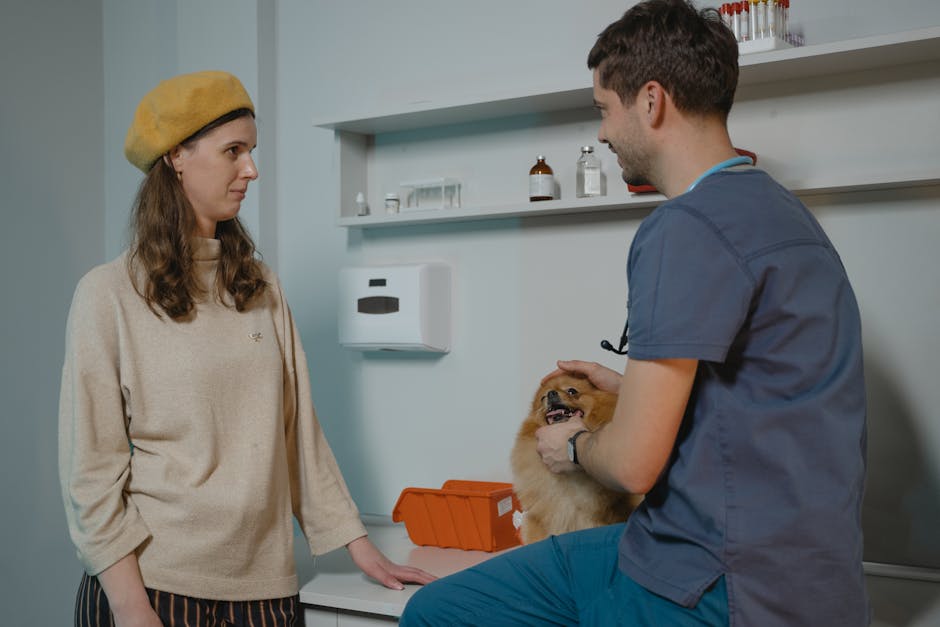
Many owners assume pet insurance either fully covers hereditary conditions or never covers them at all. In reality, coverage usually depends on when symptoms started, how the policy defines pre-existing conditions, waiting periods, reimbursement terms, and add-on choices. That is why a side-by-side review matters more than a quick quote.
For breeds prone to hip dysplasia, luxating patella, heart disease, allergies, or inherited eye disorders, the fine print can matter as much as the monthly premium. Below is a step-by-step guide to comparing Spot and Lemonade pet insurance for hereditary conditions using publicly available plan details, policy summaries, and veterinary education sources such as the AVMA, ASPCA, PetMD, and insurer disclosures.
Key Takeaways: Spot and Lemonade can both cover hereditary conditions if they are not pre-existing before enrollment or during waiting periods. Spot usually offers broader customization with annual limits up to unlimited in many states, while Lemonade often appeals to budget-focused shoppers with fast digital claims and optional wellness add-ons. The better choice depends on your pet’s breed risk, age, reimbursement preference, and how much financial protection you want before a diagnosis appears.

Prerequisites: What to Gather Before You Compare
Before you judge either insurer, collect the same information you would need for a serious policy review. This prevents comparing two quotes that are built on totally different assumptions.
- Your pet’s age, breed, and ZIP code
- Veterinary records showing any prior symptoms, diagnoses, or treatments
- Your budget target for monthly premium and deductible
- Your preferred reimbursement level (seriously), such as 70%, 80%, or 90%
- Your preferred annual limit, such as $5,000 or unlimited where available
- A list of hereditary risks common in your breed, like hip dysplasia in large dogs or cardiomyopathy in certain cats
Pro tip: Ask your veterinarian which hereditary or congenital issues your breed is statistically more likely to face. That makes it easier to compare not just price, but likely real-world value.
Quick Verdict Before the Deep Dive
If hereditary condition coverage is your top priority, Spot often has the edge for shoppers who want more plan flexibility. Many Spot plans let you choose deductibles from around $100 to $1,000, reimbursement rates from 70% to 90%, and annual limits from about $2,500 up to unlimited in many markets.
Lemonade may be more attractive if you want a simple digital experience and a lower entry price, but available options can be narrower depending on state and pet profile. Both generally state that hereditary conditions may be covered as long as they are not pre-existing and are otherwise eligible under the policy.
| Feature | Spot | Lemonade |
|---|---|---|
| Hereditary conditions | Typically covered if not pre-existing | Typically covered if not pre-existing |
| Congenital conditions | Generally covered if not pre-existing | Generally covered if not pre-existing |
| Reimbursement options | 70%, 80%, 90% | Commonly 70%, 80%, 90% |
| Annual limit options | About $2,500 to unlimited in many states | Commonly lower set tiers, often up to $100,000 depending on plan/state |
| Deductible options | About $100 to $1,000 | Often about $100 to $750 |
| Exam fees for accidents/illness | Often excluded from base policy | Often excluded unless added where available |
| Waiting periods | Accident usually shorter; orthopedic may have separate rules | Accident usually shorter; illness longer than accident |
| App and claims experience | Digital claims with standard reimbursement workflow | App-first claims process, strong digital convenience |

Step 1: Define What “Hereditary Condition” Means
The first step is understanding the label itself. A hereditary condition is an illness or disorder influenced by inherited genetics, such as hip dysplasia, elbow dysplasia, certain cardiac diseases, epilepsy, patellar luxation, or some inherited eye disorders.
AVMA and veterinary reference sources distinguish hereditary conditions from injuries and from some congenital defects present at birth. In insurance practice, however, insurers often evaluate hereditary and congenital issues through the same eligibility lens: Was it pre-existing before the policy took effect?
Pro tip: Do not stop at the marketing page. Read the sample policy language for terms like bilateral condition, curable pre-existing condition, and waiting period, because these can affect reimbursement later.
Stick with me here — this matters more than you’d think.
Step 2: Check Whether Either Insurer Excludes It as Pre-Existing
This is the biggest decision point. Spot and Lemonade both generally say hereditary conditions can be covered, but not if the condition is considered pre-existing.
That matters because many hereditary disorders develop slowly. A limping Labrador at 11 months may not have an official hip dysplasia diagnosis yet, but if vet notes show prior stiffness, gait changes, or pain before enrollment, a later claim could still face review as pre-existing.
PetMD and ASPCA educational materials consistently warn that pet insurance works best before symptoms appear. For hereditary risk, early enrollment is often the most practical strategy.
Pro tip: Review your medical records before buying. If your pet has recurring vomiting, intermittent limping, skin flare-ups, or chronic ear infections, ask how those notes could affect future hereditary-related claims.

Step 3: Compare Waiting Periods and Orthopedic Rules
Even when a condition is hereditary and otherwise eligible, timing still matters. Accident waiting periods are usually short, while illness waiting periods are longer. Orthopedic conditions may also have separate waiting periods or state-specific terms.
This matters for breed-linked problems such as cruciate ligament injuries, patellar luxation, or hip issues. A policy that begins today may not protect you next week if the orthopedic waiting period has not passed.
Spot is often marketed with a short accident waiting period and a longer waiting period for illness or certain knee-related issues. Lemonade also uses separate waiting periods for accidents and illnesses. Exact numbers can vary by state and policy form, so shoppers should verify the quote details rather than relying on a blog summary alone.
Pro tip: If your breed has known orthopedic risk, enroll while your pet is young and symptom-free. Waiting until a dog starts bunny-hopping, slowing on stairs, or avoiding jumps can erase the advantage of getting insurance at all.
Stick with me here — this matters more than you’d think.
Step 4: Compare Coverage Depth, Not Just Whether It Says “Covered”
Two insurers may both say they cover hereditary conditions, but the financial outcome can be very different. You need to compare deductible, reimbursement rate, annual limit, and whether exam fees are included.
Imagine a dog diagnosed with hip dysplasia needing imaging, pain management, rehab, and possibly surgery. A plan with 90% reimbursement and a high annual limit may save far more than a cheaper plan with a low annual cap.
| Pricing Factor | Spot | Lemonade |
|---|---|---|
| Illustrative monthly range for a young mixed-breed dog* | $28-$62 | $18-$45 |
| Illustrative monthly range for a purebred dog with higher orthopedic risk* | $45-$95 | $30-$78 |
| Illustrative monthly range for an adult cat* | $16-$34 | $12-$28 |
| Deductible choices | $100, $250, $500, $750, $1,000 | $100, $250, $500, $750 |
| Reimbursement choices | 70%, 80%, 90% | 70%, 80%, 90% |
| Annual limit examples | $2,500, $5,000, $10,000, unlimited | $5,000, $10,000, $20,000, $100,000 |
*Illustrative ranges based on common public quote patterns and may vary significantly by state, breed, age, and underwriting.
Pro tip: When comparing policies, calculate your share of a hypothetical $4,000 orthopedic claim. That gives a more realistic sense of value than comparing premiums alone.
This next part is where it gets interesting.

Step 5: Run a Real Hereditary Condition Scenario
Beginner shoppers often get lost in policy jargon. The easiest fix is to test both plans against the same likely medical event.
Let’s use a 2-year-old Golden Retriever diagnosed after enrollment with hip dysplasia. Diagnostic X-rays and orthopedic consults total $850, medications and rehab add $650, and surgery reaches $3,500. Total first-year eligible spending could reach $5,000 or more before follow-up care.
If a plan reimburses 80% after a $500 deductible, the owner’s share on a $5,000 eligible bill is about $1,400, while the insurer pays about $3,600. If the annual limit is only $2,500, that same case becomes much more expensive out of pocket.
But here’s the catch.
Pro tip: Build one scenario for orthopedic disease and one for chronic inherited illness, such as allergy-related skin disease or heart disease. Chronic cases often expose annual limit weaknesses faster than one-time injuries do.
Step 6: Review Pros and Cons for Each Company
This is where a side-by-side comparison gets practical. Coverage for hereditary conditions is not only about eligibility; it is also about how manageable the policy feels once you start filing claims.
Spot: Pros
- Broad customization for deductible, reimbursement, and annual limit
- Unlimited annual coverage available in many states
- Hereditary and congenital conditions generally eligible if not pre-existing
- Useful for owners of breeds with high long-term orthopedic risk
Spot: Cons
- Monthly premium may be higher than Lemonade for some pets
- Exam fee coverage may require careful review or add-on consideration
- Policy complexity can feel heavier for first-time buyers
Lemonade: Pros
- Often lower starting premiums for younger pets
- Streamlined app-based quote and claims experience
- Hereditary conditions generally covered if not pre-existing
- Simple buying process may appeal to budget-focused owners
Lemonade: Cons
- Annual limit structure may be less flexible than Spot in some cases
- Coverage options can be narrower depending on region
- Add-ons may be needed for a more complete reimbursement setup
Pro tip: If you want the broadest protection for a high-risk breed, flexibility usually matters more than saving $10 to $20 per month.

Step 7: Compare Use Cases by Breed, Budget, and Risk Tolerance
Now decide which company fits your situation instead of asking which one is “better” in general. Insurance is a matching problem, not a popularity contest.
Choose Spot if: you have a breed with elevated hereditary risk, want a high annual cap, or prefer to customize your deductible and reimbursement closely. This can be especially useful for breeds prone to orthopedic disease, inherited eye issues, or chronic skin conditions.
Choose Lemonade if: your pet is young, you want lower upfront premiums, and you are comfortable with a more digital-first plan experience. For lower-risk mixed breeds or owners focused on catastrophic backup rather than maximum long-term coverage, Lemonade may be enough.
Pro tip: A low premium paired with a high deductible and modest annual cap is not always a bargain. It can work well for emergencies, but it may underperform for lifelong hereditary conditions that need repeated care.
Step 8: Watch for Common Policy Blind Spots
Even careful shoppers miss a few recurring traps. The first is assuming wellness coverage helps with hereditary disease costs. In most cases, wellness add-ons cover routine care like vaccines, fecal tests, or dental cleanings, not treatment for inherited illness.
The second is forgetting exam fees. A single specialty visit can add $100 to $250 before treatment even starts. The third is ignoring bilateral condition language, which can matter when one knee, eye, or hip shows signs before the other.
AVMA and ASPCA educational guidance both emphasize budgeting for preventive care and early evaluation, especially in breeds with known inherited risk. Insurance can reduce financial shock, but it does not replace routine veterinary monitoring.
Pro tip: Search the policy PDF for these terms: pre-existing, bilateral, hereditary, congenital, exam fees, and waiting period.
This next part is where it gets interesting.
Step 9: Make the Final Pick With a Beginner-Friendly Checklist
Here is the simplest way to choose. Give one point for each “yes.”
- Does the policy clearly state hereditary conditions are eligible if not pre-existing?
- Does the annual limit fit a $4,000 to $8,000 worst-case year?
- Is the reimbursement rate at least 80%?
- Can you comfortably afford the deductible?
- Are waiting periods acceptable for your breed risk?
- Do you understand whether exam fees are included?
- Would the premium still feel manageable after yearly increases?
If Spot scores higher for your needs, it is probably the safer long-term play for hereditary concerns. If Lemonade scores higher while keeping catastrophic costs manageable, it may be the more efficient value choice.
Pro tip: The best time to buy pet insurance is usually before the first suspicious symptom, not after you start researching a diagnosis.
This is the part most guides skip over.
Which One Should You Pick?
Pick Spot if hereditary condition coverage is your main concern and you want stronger plan customization with the option for higher annual protection. It is often the more strategic choice for purebred dogs and cats with known inherited risks.
Pick Lemonade if your pet is currently healthy, your priority is lower monthly cost, and you prefer a cleaner app-based experience. It can be a sensible choice for owners who want solid illness and accident protection without paying for the broadest possible ceiling.
For many owners, the answer comes down to this: Spot may offer better long-term protection depth, while Lemonade may offer better short-term affordability and convenience.
Common Mistakes Owners Make When Comparing These Plans
- Comparing different reimbursement levels. A 70% Lemonade quote is not equivalent to a 90% Spot quote.
- Ignoring annual limits. Chronic hereditary conditions can exceed $5,000 faster than beginners expect.
- Waiting too long to enroll. Once symptoms appear in the record, future claims may be denied as pre-existing.
- Confusing wellness care with hereditary disease coverage. They solve different financial problems.
- Skipping the sample policy. Marketing pages simplify; policy wording decides claims.
You May Also Like
- Does a Pet Camera Actually Help with Workday Pet Anxiety?
- Spot vs Lemonade: Hereditary Coverage Showdown
- Why Collar Tags Fail—What Vets Recommend for Lost Pets
FAQ
Does Spot cover hereditary conditions like hip dysplasia?
Spot generally states that hereditary conditions can be covered if they are not pre-existing and all policy terms are met. Orthopedic waiting periods and exclusions should still be checked carefully.
Does Lemonade cover hereditary conditions in dogs and cats?
Lemonade generally allows coverage for hereditary conditions when they are not considered pre-existing. The exact outcome depends on policy terms, state availability, and medical history.
Which is cheaper for hereditary condition protection?
Lemonade often starts cheaper on monthly premium, especially for younger pets. Spot may cost more, but its higher annual limit flexibility can make it more valuable for expensive inherited conditions.
Should I buy pet insurance after my vet mentions a possible inherited problem?
Usually, earlier is better. If symptoms or clinical signs are already documented, a future diagnosis related to those signs may be treated as pre-existing by many insurers.
Sources referenced: AVMA pet insurance guidance, ASPCA pet care education, PetMD insurance and breed-risk explainers, and public insurer policy summaries and quote structures current at the time of writing.
This is informational content, not veterinary advice. Consult your veterinarian for personalized recommendations.
Note: I regularly update this article as new information becomes available. Last reviewed: March 2026.
📌 You May Also Like
🔍 Explore More Topics
🔗 Helpful Resources