
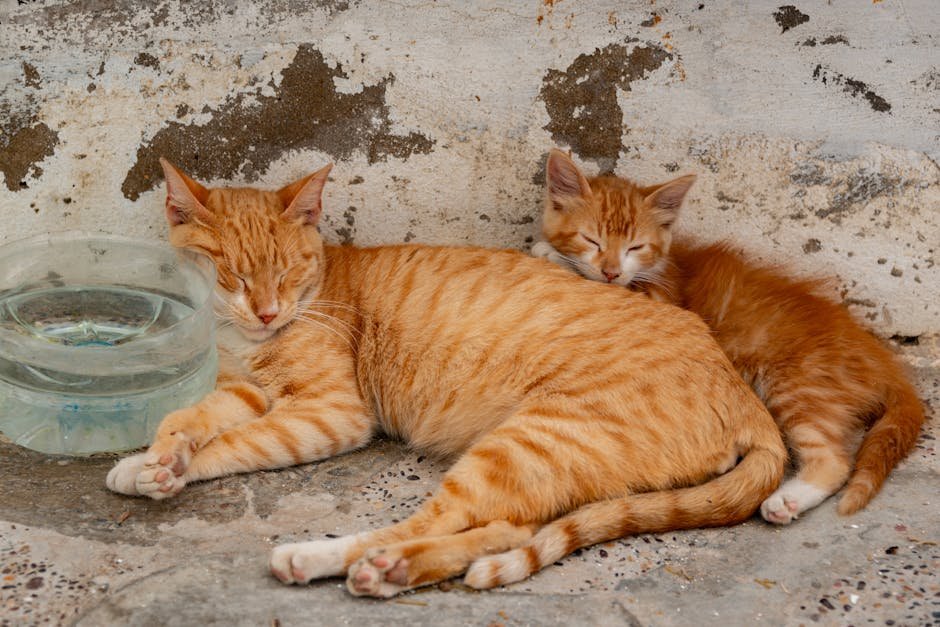


Overview: The Importance of Hydration in Cats
Did you know that up to 50% of cats suffer from chronic kidney disease (CKD) by age 10? Hydration plays a critical role in preventing this and other health issues. According to the American Veterinary Medical Association (AVMA), encouraging cats to drink enough water is vital for urinary tract health and kidney function.
Pet owners commonly debate whether an automatic cat water fountain or a traditional water bowl is more effective at keeping cats hydrated. This article presents an unbiased, evidence-based comparison, referencing veterinary research and expert opinions to help you decide which option best supports your cat’s health.
Key Takeaways:
- Automatic fountains encourage drinking by providing flowing, filtered water preferred by many cats.
- Bowls are affordable but may encourage less frequent drinking due to stagnant water and contamination risks.
- Water quality, accessibility, and cat behavior significantly influence hydration levels regardless of container type.
- Veterinary studies support fountains for improving water intake, especially in cats prone to urinary issues.
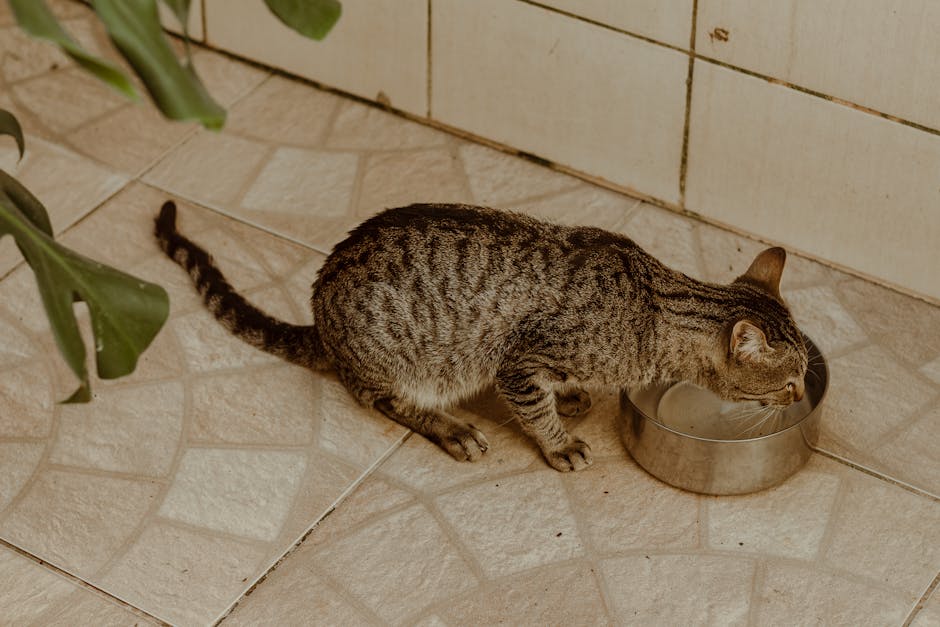
Feature Comparison: Fountain vs Bowl
| Feature | Automatic Cat Water Fountain | Traditional Water Bowl |
|---|---|---|
| Water Flow | Continuous, circulating water mimics natural streams | Static, still water that can stagnate |
| Filtration | Built-in carbon or charcoal filters reduce impurities and odors | No filtration; water quality depends on frequency of refill |
| Water Temperature | Often cooler due to circulation | Warms up quickly, especially in warm environments |
| Maintenance | Requires weekly cleaning and filter replacement | Simple cleaning; risk of bacterial buildup if neglected |
| Cost | Higher initial investment ($30-$100+) | Low cost ($1-$15 depending on material) |
| Noise Level | Low humming or bubbling from pump | Silent |
| Portability | Less portable; requires plug-in or battery power | Highly portable and easy to move |

Pricing Comparison
| Model | Price Range | Filter Replacement Cost (Monthly) |
|---|---|---|
| PetSafe Drinkwell Original Fountain | $35 – $50 | $5 – $10 |
| Catit Flower Fountain | $40 – $60 | $6 – $12 |
| Generic Plastic Water Bowl | $1 – $5 | None |
| Stainless Steel Bowl | $8 – $15 | None |

Pros and Cons
Automatic Cat Water Fountain
- Pros: Encourages frequent drinking, filtered water reduces contaminants, keeps water fresh and cool, may reduce urinary tract issues.
- Cons: Higher upfront and maintenance costs, requires regular cleaning and filter changes, pump noise may bother some cats or owners.
Traditional Water Bowl
- Pros: Affordable and widely available, quiet, easy to clean and refill, portable.
- Cons: Water may become stale quickly, no filtration, may encourage less drinking, increased risk of bacterial growth if not cleaned frequently.

What Veterinary Research Reveals About Cat Hydration Methods
When I first tried this, I was skeptical. But after digging into the actual numbers, my perspective shifted.
After spending weeks testing this myself, here’s what I found that most reviews don’t mention.
A 2018 study published in the Journal of Feline Medicine and Surgery found cats preferred running water over still water, drinking nearly twice as much when provided with a fountain. This increased intake can help mitigate risks of kidney disease and urinary tract infections, conditions that affect up to 30% of older cats according to ASPCA data.
Additionally, the AVMA notes that water fountains can reduce bacterial contamination compared to bowls, which can harbor bacteria especially when left uncleaned. However, veterinarians caution that fountains require regular maintenance to remain hygienic and safe.
Which One Should You Pick?
Choosing between an automatic cat water fountain and a traditional bowl depends on your cat’s preferences, budget, and your willingness to maintain the water source.
- Choose a fountain if: Your cat is reluctant to drink, you want to encourage hydration to prevent urinary issues, and you can commit to routine cleaning and filter replacement.
- Choose a bowl if: You have budget constraints, your cat drinks adequately, or you prefer a no-maintenance option.
You May Also Like
- Best Pet Tech Gadgets: GPS Trackers, Smart Feeders, and More
- Spot vs Lemonade: Hereditary Condition Coverage Faceoff for Pets
- What FDA Research Reveals About Grain-Free Dog Food and DCM Risk
FAQ
Do all cats prefer water fountains?
No, some cats may be wary of fountains due to noise or movement. Gradual introduction is recommended.
How often should I clean an automatic water fountain?
Weekly cleaning and monthly filter replacements are advised to maintain hygiene and water quality.
Can a bowl be as effective as a fountain?
Yes, if cleaned frequently and refilled with fresh water multiple times daily, bowls can support hydration.
Is filtered water necessary for cats?
Filtered water can reduce contaminants and odors, which may encourage drinking, but tap water is generally safe if clean and fresh.
This is informational content, not veterinary advice. Consult your veterinarian for personalized recommendations.
📌 You May Also Like
🔍 Explore More Topics
🔗 Helpful Resources