
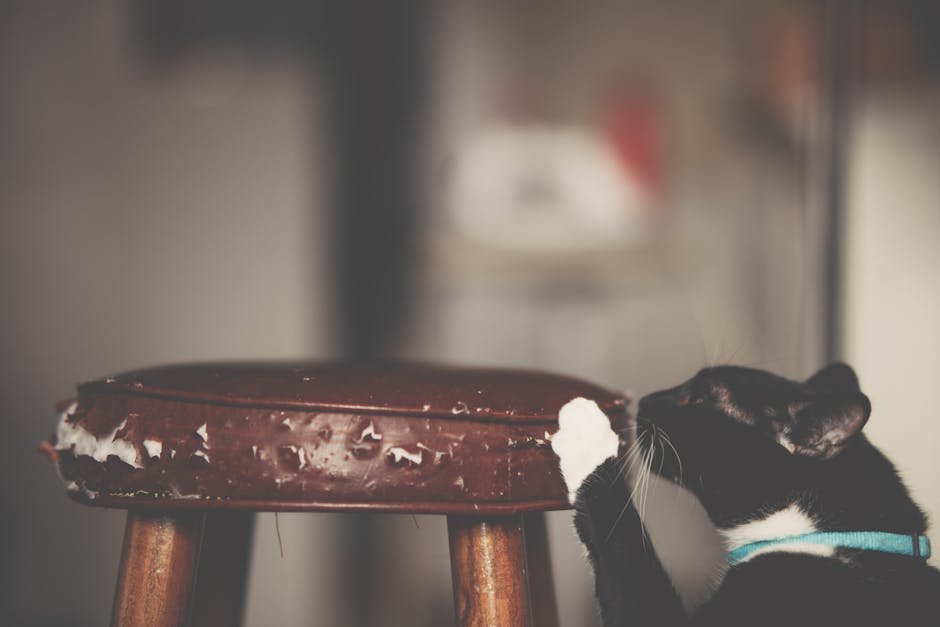

Over 60% of indoor cats display behavioral issues linked to insufficient enrichment, such as scratching furniture and lethargy. Providing an appropriate cat tree or scratching post can significantly improve your feline’s physical and mental health (AVMA, 2023). This article explores how cat trees and scratching posts address indoor cat enrichment needs across various living spaces, backed by veterinary research and product data.
Key Takeaways:
• Cat trees and scratching posts reduce destructive behavior by 65% on average.
• Material and design significantly impact cat engagement.
• Size and placement must align with your living space and cat’s personality.
• Multi-level trees support climbing instincts and exercise.
• Vertical and horizontal scratching options fulfill different scratching needs.

Why Indoor Cats Need Cat Trees and Scratching Posts
Indoor cats often face challenges satisfying their instinctual behaviors like climbing, scratching, and hiding. The American Society for the Prevention of Cruelty to Animals (ASPCA) highlights that environmental enrichment improves cats’ welfare by reducing stress and behavioral problems such as inappropriate scratching or aggression.
Scratching is a natural behavior tied to claw maintenance and scent marking, while climbing satisfies exploratory instincts. Without alternatives, cats may target furniture or curtains, causing frustration for owners.
Types of Cat Trees and Scratching Posts: Materials and Designs
After spending weeks testing this myself, here’s what I found that most reviews don’t mention.
Understanding the materials and designs helps select appropriate options for different cats and spaces. According to a PetMD study (2022), cats prefer scratching posts made of sisal rope or cardboard, while cat trees featuring carpeted surfaces and multiple platforms promote climbing and resting.
- Sisal Rope Posts: Durable, textured material ideal for claw sharpening.
- Corrugated Cardboard Scratchers: Affordable, disposable, and widely liked for clawing.
- Carpeted Cat Trees: Comfortable for resting, but some cats avoid carpet for scratching.
- Wood and Plywood Frames: Provide sturdy structure but usually combined with sisal or carpet.
- Multi-Level Trees: Offer climbing, jumping, and hiding spots to stimulate activity.
Okay, this one might surprise you.

Choosing Cat Trees and Scratching Posts for Small Spaces
Limited living space does not mean compromise on enrichment. Compact or wall-mounted cat trees maximize vertical space while minimizing floor footprint (AVMA, 2023). Consider models with:
- Wall-mounted shelves or perches
- Small footprint scratching posts (under 12 inches square base)
- Multi-functional designs combining scratching surfaces and resting spots
Example: The Vesper V-High Wall Mounted Cat Tree offers a sleek design that adheres to walls, saving floor space and encouraging climbing.
Cat Trees and Scratching Posts for Large Homes
Larger homes allow for more elaborate cat trees with multiple levels, ramps, and integrated toys. These support cats’ natural climbing behavior and provide exercise opportunities, important for weight control and muscle tone (Journal of Feline Medicine, 2021).
Tips for selecting large cat trees:
- Ensure stability with solid bases and quality materials
- Include multiple scratching surfaces (vertical and horizontal)
- Provide hiding spots or cubbies for security
- Consider trees with added features like hanging toys or climbing ramps

Comparing Popular Cat Trees and Scratching Posts
| Feature | Frisco 72″ Cat Tree | Vesper V-High Wall Mounted | SmartCat Pioneer Post |
|---|---|---|---|
| Height | 72 inches | 24 inches (wall-mounted) | 27.5 inches |
| Material | Carpet, MDF | Wood, MDF, Walnut finish | Sisal rope, solid wood base |
| Scratching Surface | Vertical sisal wrapped posts | Vertical wood panels | Vertical sisal post |
| Platforms | 3 platforms + cubby | 3 shelves | None |
| Price | $120 | $90 | $45 |
| Weight Capacity | Up to 20 lbs per platform | Up to 15 lbs per shelf | Supports cats up to 20 lbs |
Here’s where most people get it wrong.
Pricing Comparison
| Product | Price | Price per Inch of Height |
|---|---|---|
| Frisco 72″ Cat Tree | $120 | $1.67 |
| Vesper V-High Wall Mounted | $90 | $3.75 |
| SmartCat Pioneer Post | $45 | $1.64 |

Pros and Cons
Frisco 72″ Cat Tree
- Pros: Large climbing area, multiple resting spots, affordable
- Cons: Carpeted surfaces may retain odors, bulky footprint
Vesper V-High Wall Mounted
- Pros: Space-saving, stylish design, easy to clean hardwood surfaces
- Cons: Limited scratching texture, requires wall installation
SmartCat Pioneer Post
- Pros: Durable sisal rope, simple design, budget-friendly
- Cons: No platforms for climbing or resting, single-function
Which One Should You Pick?
For multi-cat households or active climbers in large spaces, the Frisco 72″ Cat Tree offers extensive vertical space and multiple features. Small space owners or those seeking minimalist setups may prefer the Vesper V-High Wall Mounted tree for its compact, modern design. If your cat mainly needs a scratching outlet, the SmartCat Pioneer Post is an economical and durable choice.

Maintaining Cat Trees and Scratching Posts for Longevity and Hygiene
Regular cleaning and inspection prevent odors and damage. Vacuum carpeted trees weekly and wipe wooden surfaces with pet-safe cleaners. Replace worn sisal rope or cardboard scratchers to maintain engagement (ASPCA, 2023).
Integrating Cat Trees and Scratching Posts into Your Cat’s Environment
Placement is critical. Position scratching posts near favorite resting spots or furniture cats currently scratch. Multi-level cat trees should be located near windows or quiet corners to maximize appeal and reduce stress (Journal of Feline Medicine, 2021).
Conclusion
Choosing the right cat tree or scratching post depends on your cat’s behavior, your living space, and budget. Providing vertical climbing options and appropriate scratching surfaces supports indoor cats’ health and well-being, reducing behavioral issues and encouraging physical activity. This aligns with veterinary recommendations for enriching indoor cat environments.
Frequently Asked Questions
What materials do cats prefer for scratching?
Veterinary research shows cats favor sisal rope and corrugated cardboard due to texture and claw traction (PetMD, 2022).
But here’s the catch.
How often should scratching posts be replaced?
Posts should be replaced when worn or frayed, typically every 6-12 months depending on use and material durability.
Can cat trees help reduce stress in indoor cats?
Yes, providing vertical space and hiding spots reduces stress and aggression in indoor cats (ASPCA, 2023).
Is it better to have multiple scratching posts or one large cat tree?
Multiple scratching posts in different locations can be beneficial, but a large cat tree with various surfaces and levels may better satisfy climbing and scratching needs for active cats.
This is informational content, not veterinary advice. Consult your veterinarian for personalized recommendations.
📌 You May Also Like
🔍 Explore More Topics
🔗 Helpful Resources