
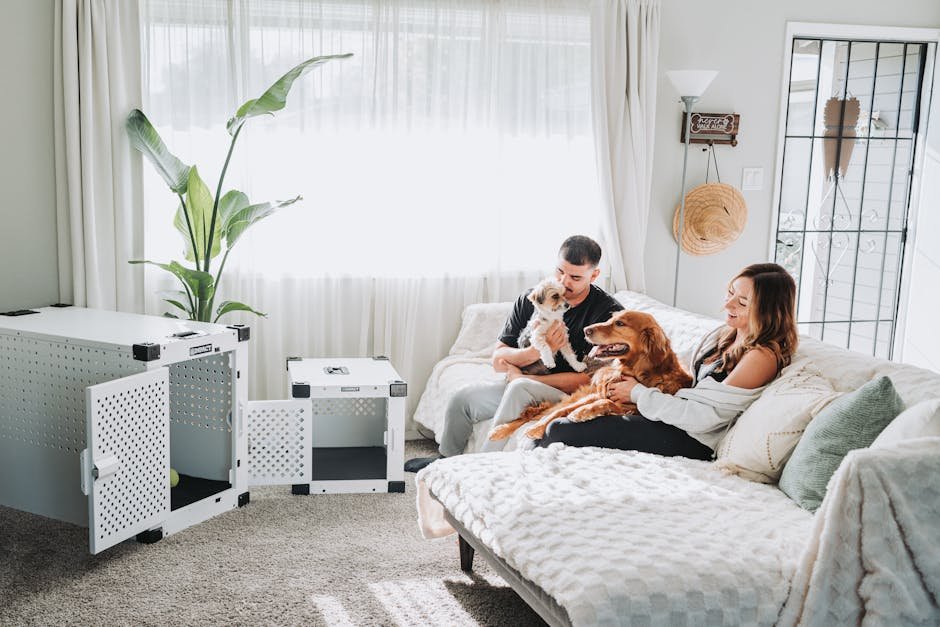


Introduction: Why Crate Training Matters for Puppies
Nearly 90% of dog owners face challenges with house-training their puppies, often leading to frustration and inconsistent routines (AVMA). Crate training offers an evidence-based solution to address these issues by providing puppies a controlled and secure environment. This method leverages natural canine instincts to keep their sleeping den clean, promoting faster house-training success.
Key Takeaways:
- Crate training helps puppies learn bladder control by mimicking natural den behavior.
- Choosing the right crate size and type influences training success.
- Step-by-step gradual introduction reduces stress and resistance.
- Crate training supports other behavioral goals like reducing separation anxiety.
Step 1: Selecting the Ideal Crate for Your Puppy
Choosing the right crate is foundational. Crates generally come in three types: wire, plastic, and soft-sided. Each has unique features that affect ventilation, portability, and durability.
| Feature | Wire Crate | Plastic Crate | Soft-Sided Crate |
|---|---|---|---|
| Ventilation | Excellent | Good | Average |
| Portability | Moderate | Low | High |
| Durability | High | High | Low |
| Price Range | $40-$100 | $50-$120 | $30-$80 |
Size matters: The crate should be large enough for your puppy to stand, turn around, and lie down comfortably, but not so spacious that it encourages elimination in one corner. Adjustable divider crates offer growing-room flexibility and are often recommended by trainers.
Stick with me here — this matters more than you’d think.
Step 2: Introducing the Crate Positively
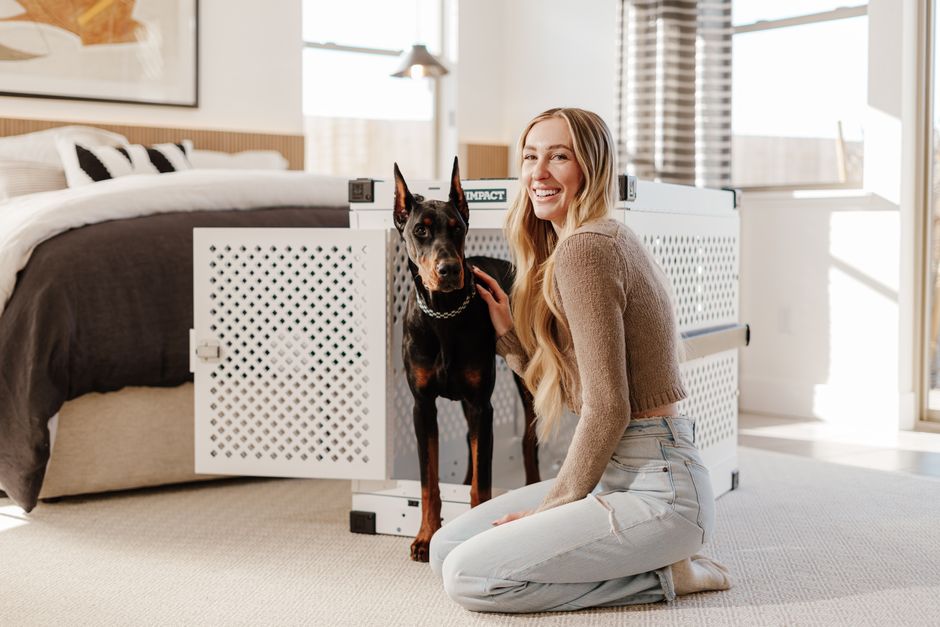
Veterinary behaviorists recommend a gradual introduction to prevent fear or anxiety (ASPCA). Start by placing the crate in a high-traffic area where the family spends time.
- Leave the door open and place soft bedding inside.
- Encourage exploration by tossing treats or toys inside.
- Feed your puppy meals near or inside the crate to build positive associations.
Repeat this phase for several days until the puppy voluntarily enters the crate.
Step 3: Building Crate Time Gradually
Once comfortable, begin closing the door briefly while the puppy is inside, initially for just a few seconds, then slowly extend the duration. This step helps puppies adjust to confinement without stress.
- Stay nearby and talk calmly at first.
- Use a command like “crate” or “bed” to associate with the behavior.
- Reward calm behavior inside the crate with treats or praise.
Never use the crate as punishment, as this can create negative associations and hinder training progress.

Step 4: Aligning Crate Training with House-Training
Crate training supports bladder control by leveraging puppies’ natural reluctance to soil their den (PetMD). Establish a consistent schedule for bathroom breaks, ideally every 2-3 hours for young puppies.
- Take your puppy outside immediately after exiting the crate.
- Use a designated elimination spot and consistent commands like “go potty.”
- Reward successful elimination outdoors with praise or treats.
Monitoring crate time is crucial: puppies should not be confined for more than 3-4 hours at a stretch to prevent accidents and discomfort.
Step 5: Handling Nighttime Crate Training
Nighttime crate use can support sleep routines and reduce accidents. Keep the crate in your bedroom to soothe separation anxiety and allow quick response to elimination needs.
- Expect some whining initially, but avoid releasing the puppy immediately to prevent reinforcing attention-seeking behavior.
- Take the puppy outside promptly if they signal the need to go out.
- Gradually move the crate farther from your bedroom as your puppy matures and gains bladder control.
Step 6: Troubleshooting Common Crate Training Issues
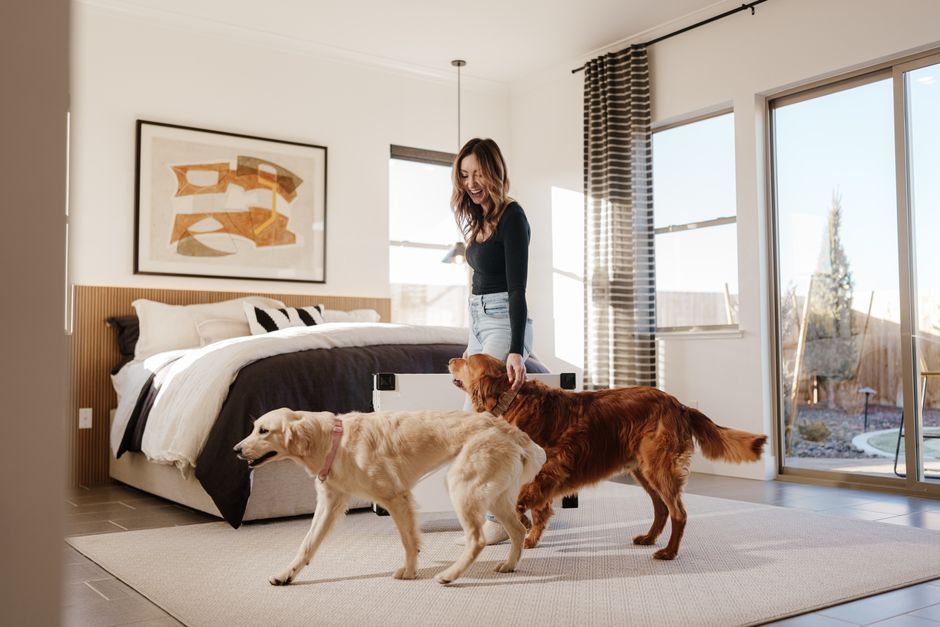
Some puppies may resist or vocalize when confined. Common causes include:
- Separation anxiety: Gradual desensitization and counterconditioning can help; consider consulting a professional trainer.
- Excess energy: Ensure adequate exercise and mental stimulation before crate time.
- Improper crate size: Too large or too small crates can cause discomfort or accidents.
Consistency and patience are key. Avoid forcing the puppy into the crate, and maintain positive reinforcement throughout.
Step 7: Transitioning Out of the Crate
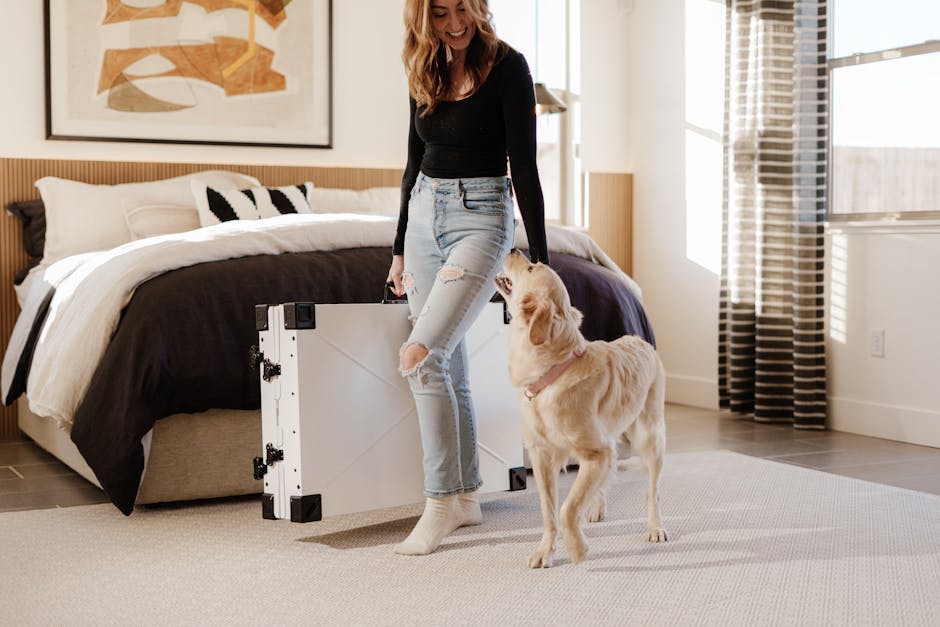
As puppies mature (generally 6-12 months), crate time can gradually reduce. Use the crate strategically for travel, vet visits, or when unsupervised to maintain safety.
Ongoing training to reinforce calm behavior and house-training consistency remains essential beyond crate use.
Connecting Crate Training to Broader Dog Training Goals
Crate training is foundational to other behavior objectives such as teaching dogs to relax alone, reducing destructive chewing, and facilitating vet visits or travel. For a comprehensive approach, consider integrating crate training with positive reinforcement techniques outlined in our Dog Training Guide: Positive Methods That Actually Work.
Summary Comparison: Crate vs. Alternatives for House-Training
| Feature | Crate Training | Using Playpen or Free Roaming |
|---|---|---|
| House-training Efficiency | High | Moderate |
| Safety | High | Variable |
| Behavioral Benefits | Reduces anxiety, aids calmness | Less effective |
| Ease of Supervision | Easy | More demanding |
| Stress Risk | Low if introduced properly | Potentially higher |
You May Also Like
- 7 Hidden Health Issues Specific Dog Breeds Commonly Face
- Fi vs Whistle vs Apple AirTag: GPS Tracker Faceoff for Dogs
- Best Dog Training Apps and Online Courses Compared: Features and Value
Frequently Asked Questions (FAQ)
How long can a puppy stay in a crate?
Young puppies should not be crated more than 3-4 hours at a time to avoid accidents and discomfort. As they age, this duration can increase gradually.
What size crate is best for a growing puppy?
Choose a crate with a divider so the space can be adjusted as your puppy grows, ensuring enough room to move but not so large to encourage accidents.
Is crate training stressful for puppies?
When introduced gradually and positively, crate training is generally stress-free and provides puppies with a safe den-like space.
Can crate training help with separation anxiety?
Crate training can reduce separation anxiety when combined with behavior modification strategies, but severe cases may require professional intervention.
This is informational content, not veterinary advice. Consult your veterinarian for personalized recommendations.
Note: I regularly update this article as new information becomes available. Last reviewed: April 2026.
📌 You May Also Like
- Best Dog Training Apps and Online Courses Compared: Features and Value
- How to Choose the Right Sized Dog Crate for Different Breeds and Growth Stages
- How Glucosamine Chondroitin Solves Arthritis Mobility Issues for Senior Dogs
- How Freeze Dried Raw Dog Food Solves Nutrition and Convenience Issues Compared to Kibble
🔍 Explore More Topics
🔗 Helpful Resources