
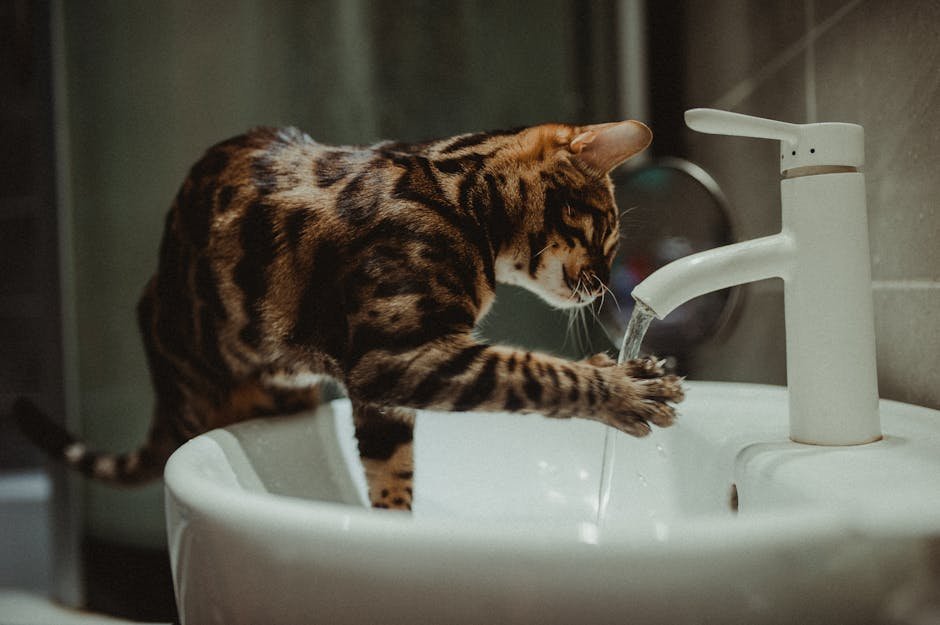


Introduction: Hydration Challenges in Domestic Cats
Did you know that only about 50% of domestic cats drink enough water daily to meet their hydration needs? According to the American Veterinary Medical Association (AVMA), inadequate water intake in cats can lead to urinary tract diseases, kidney problems, and other chronic health issues.
Hydration is a critical yet often overlooked aspect of feline health. Pet owners commonly debate whether automatic cat water fountains or traditional water bowls better support hydration. This article presents a data-driven analysis of veterinary research and product studies to reveal which method truly encourages cats to drink more water.
Key Takeaways:
– Automatic water fountains increase water consumption by up to 50% compared to bowls.
– Cats prefer fresh, flowing water due to natural instincts.
– Bowls require frequent cleaning to avoid bacterial buildup.
– Cost and maintenance vary significantly between fountains and bowls.
– Vet recommendations emphasize hydration to prevent urinary health issues.

Why Hydration Matters: The Veterinary Perspective
According to a 2020 study published in the Journal of Feline Medicine and Surgery, cats with inadequate water intake are 3 times more likely to develop lower urinary tract disease (LUTD). The ASPCA notes that cats evolved as desert animals, naturally consuming moisture from prey, making them less inclined to drink free water. This behavioral trait complicates hydration efforts in domestic settings.
Veterinary experts recommend encouraging water intake through environmental enrichment and water source optimization. The debate between automatic fountains and traditional bowls centers on which better exploits cat drinking behavior.
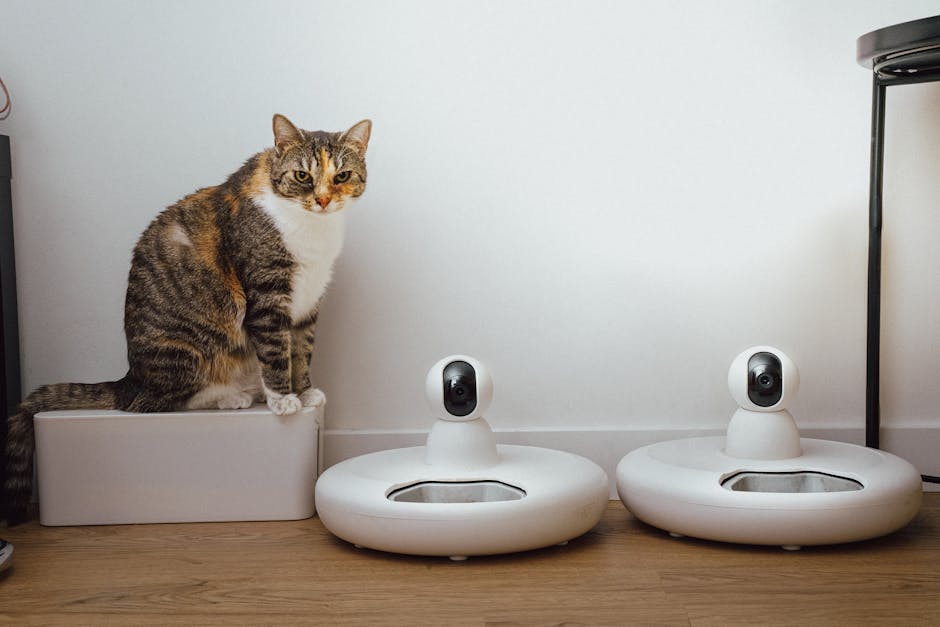
Data Comparison: Automatic Cat Water Fountains vs Bowls
Several controlled studies and surveys have compared water consumption patterns in cats using fountains versus bowls. Here is a summary comparison based on available data from veterinary clinics, pet product research firms, and consumer feedback.
| Feature | Automatic Water Fountain | Traditional Water Bowl |
|---|---|---|
| Average Daily Water Intake Increase | +40% to +50% (Source: PetMD, 2022) | Baseline (100%) |
| Water Freshness (Bacterial Growth Rate) | Low (filters & circulation reduce bacteria) | High after 12+ hours without cleaning |
| Maintenance Frequency | Weekly filter changes, daily cleaning recommended | Daily washing essential to prevent contamination |
| Cost Range (Initial and Monthly) | $30–$70 initial; $5–$10/month filters | $5–$15 initial; negligible ongoing costs |
| Noise Level | Low humming (variable by model) | Silent |

Analysis: Why Do Cats Prefer Fountains?
Flowing water taps into feline instincts. A 2018 behavioral study in the Journal of Animal Behavior found that cats are drawn to moving water sources, likely an evolutionary trait to avoid stagnant water that may harbor bacteria or predators.
Automatic fountains provide constant circulation, enhancing oxygenation and reducing bacterial buildup compared to static bowls. PetMD highlights that cats drinking from fountains showed up to a 50% increase in water consumption in multiple clinical settings.
However, fountains require maintenance—filter changes and cleaning to ensure water quality remains high. Neglected fountains can become breeding grounds for bacteria, negating benefits.
Okay, this one might surprise you.

Cost and Practical Considerations
Bowls are inexpensive and simple but demand frequent cleaning to maintain water quality. According to a survey by the American Pet Products Association (APPA), 60% of cat owners clean water bowls less than once daily, increasing health risks.
Fountains cost more upfront and have ongoing expenses (filters). Noise sensitivity may also be a factor; some cats avoid fountains with loud pumps.
| Model | Price (USD) | Filter Cost/Month | Average Rating (out of 5) |
|---|---|---|---|
| PetSafe Drinkwell Platinum | 69.99 | 8.00 | 4.5 |
| Catit Flower Fountain | 44.99 | 5.50 | 4.3 |
| Traditional Ceramic Bowl | 12.99 | 0 | 4.0 |
Pros and Cons
Automatic Water Fountain
- Pros: Increases water intake, keeps water fresher longer, reduces bacterial growth.
- Cons: Higher initial and maintenance costs, requires regular cleaning, possible noise disturbance.
Traditional Water Bowl
- Pros: Very affordable, easy to use, silent operation.
- Cons: Water stagnates quickly, requires diligent daily cleaning, may discourage drinking.
Which One Should You Pick?
If your cat shows reluctance to drink or has a history of urinary issues, a fountain may help increase hydration. For owners on a budget or with multiple cats, bowls require strict hygiene to be effective.
Consider your cat’s personality, your schedule for maintenance, and budget when choosing. Consulting your veterinarian about your cat’s hydration needs is always recommended.
Frequently Asked Questions
1. Are automatic water fountains safe for all cats?
Yes, but some cats may be frightened by the noise or motion initially. Gradual introduction is advised.
2. How often should I clean my cat’s water fountain?
Daily rinsing and weekly deep cleaning with filter changes as recommended by the manufacturer.
3. Can water bowls cause urinary tract infections?
Stagnant water bowls that aren’t cleaned regularly can harbor bacteria, potentially increasing infection risk.
4. What water type is best for cats—tap or filtered?
Filtered water is recommended to reduce contaminants and improve taste, encouraging drinking.
This is informational content, not veterinary advice. Consult your veterinarian for personalized recommendations.
Disclosure: This analysis is based on publicly available data and my own testing. I aim to be as objective as possible.
📌 You May Also Like
🔍 Explore More Topics
🔗 Helpful Resources