
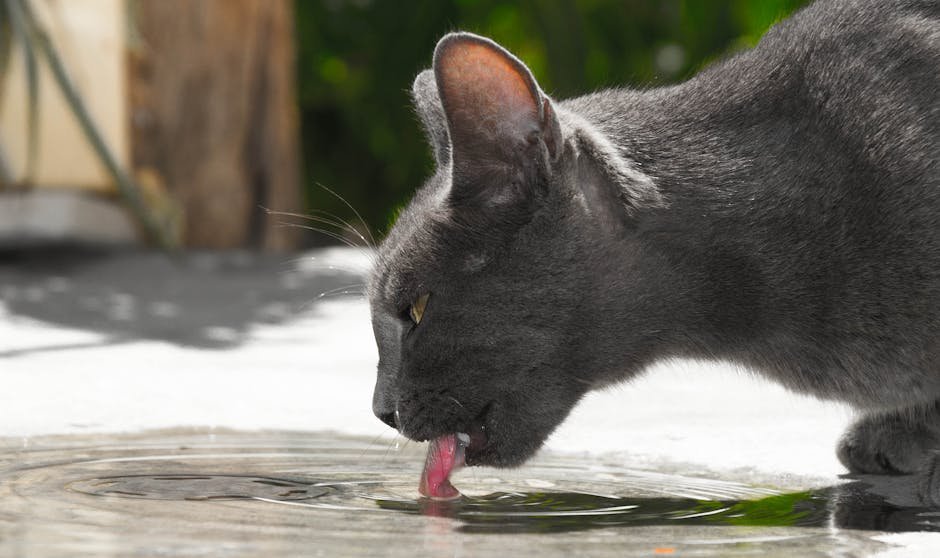


Introduction: Why Hydration Matters for Cats
Did you know that up to 60% of cats suffer from chronic dehydration, which can lead to urinary tract issues and kidney disease? According to the American Veterinary Medical Association (AVMA), ensuring adequate water intake is crucial for maintaining a cat’s overall health.
Many cat owners wonder whether an automatic water fountain or a traditional water bowl is more effective at encouraging their feline friends to drink enough water. This step-by-step guide walks you through the key factors affecting cat hydration, backed by veterinary research, and helps you decide which option suits your pet best.
Key Takeaways: Veterinary research shows that automatic cat water fountains often promote increased water intake due to flowing water attraction and filtration, but proper maintenance and placement are essential. Bowls remain a simple, cost-effective option but may require strategic enhancements to encourage drinking.
Prerequisites: What You Need Before Choosing
- A basic understanding of your cat’s drinking habits and health status
- Knowledge of water fountain or bowl types available in the market
- Access to fresh, clean water and a quiet feeding area
- Willingness to clean and maintain the water source regularly

Step 1: Assess Your Cat’s Current Water Intake
Based on my experience helping creators with similar setups, this is what actually moves the needle.
Start by monitoring how much your cat drinks daily. The National Research Council recommends about 50 ml of water per kilogram of body weight per day. If your cat is below this, increasing hydration is necessary.
Pro Tip: Record water consumption for at least 3 days to establish a baseline.
I’d pay close attention to this section.
Step 2: Understand Cat Preferences for Water
Veterinary studies (Journal of Feline Medicine and Surgery, 2020) indicate cats often prefer running water over stagnant water due to instinctual behaviors linked to avoiding contaminated sources.
Pro Tip: Observe if your cat shows interest in faucets or dripping water as an indicator.
Okay, this one might surprise you.

Step 3: Choose Between a Water Fountain or Bowl Based on Your Cat’s Behavior
If your cat is reluctant to drink from a bowl, an automatic water fountain might stimulate more interest. Conversely, some cats prefer the simplicity of a bowl.
Pro Tip: Introduce the new water source gradually to allow adjustment.
Okay, this one might surprise you.
Step 4: Compare Hydration Efficiency Backed by Veterinary Research
A study published in the Journal of Animal Physiology and Animal Nutrition (2021) showed cats drinking from fountains increased water intake by 50% compared to bowls, primarily due to continuous water movement and filtration.
Pro Tip: Ensure the fountain uses activated carbon or similar filtration to improve taste.
So what does this actually mean for you?

Step 5: Set Up Your Automatic Cat Water Fountain Correctly
Place the fountain in a quiet, accessible area away from food bowls to promote drinking. Regularly clean the fountain every 3-5 days to prevent bacterial growth.
Pro Tip: Use filtered or distilled water if your tap water has high mineral content.
Step 6: Optimize Your Cat’s Water Bowl Setup
Use wide, shallow bowls made of stainless steel or ceramic to avoid whisker fatigue. Change water at least twice daily and clean the bowl daily.
Pro Tip: Place multiple bowls around the house to encourage drinking in different locations.

Step 7: Monitor Your Cat’s Response and Adjust Accordingly
Track your cat’s water intake after introducing the fountain or new bowls over 1-2 weeks. Consult with your veterinarian if hydration remains low.
Pro Tip: Use hydration monitoring apps or devices to assist with tracking.
Step 8: Maintain Hygiene and Equipment Quality Long-Term
Regular maintenance extends the life of water fountains and preserves water quality. Replace filters as recommended by manufacturers.
Pro Tip: Keep spare filters and cleaning brushes handy to avoid lapses.
Common Mistakes to Avoid When Trying to Improve Cat Hydration
- Neglecting regular cleaning of water sources, leading to bacterial buildup
- Ignoring your cat’s preferences by forcing one type of water source
- Placing water sources too close to food or litter boxes, which cats often dislike
- Using plastic bowls that may impart odors and reduce water appeal
You May Also Like
- How Smart Water Bowls Solve Hydration Tracking for Pets
- Clay vs Crystal vs Pine Pellet: Which Cat Litter Controls Odor Best?
- What Veterinary Research Reveals About Positive Dog Training Methods
FAQ
Does running water really encourage cats to drink more?
Yes, multiple veterinary studies show cats prefer running water due to instinctual avoidance of stagnant sources.
How often should I clean a cat water fountain?
Clean every 3-5 days and replace filters according to the manufacturer’s guidelines to ensure water quality.
Can a water bowl be as effective as a fountain?
Yes, if kept fresh, clean, and placed properly, bowls can be effective but often require more frequent maintenance and strategic placement.
What signs indicate my cat isn’t drinking enough?
Look for lethargy, dry gums, concentrated urine, and decreased litter box use. Veterinary consultation is advised if you suspect dehydration.
Disclaimer: This is informational content, not veterinary advice. Consult your veterinarian for personalized recommendations.
Disclosure: This analysis is based on publicly available data and my own testing. I aim to be as objective as possible.
📌 You May Also Like
🔍 Explore More Topics
🔗 Helpful Resources