
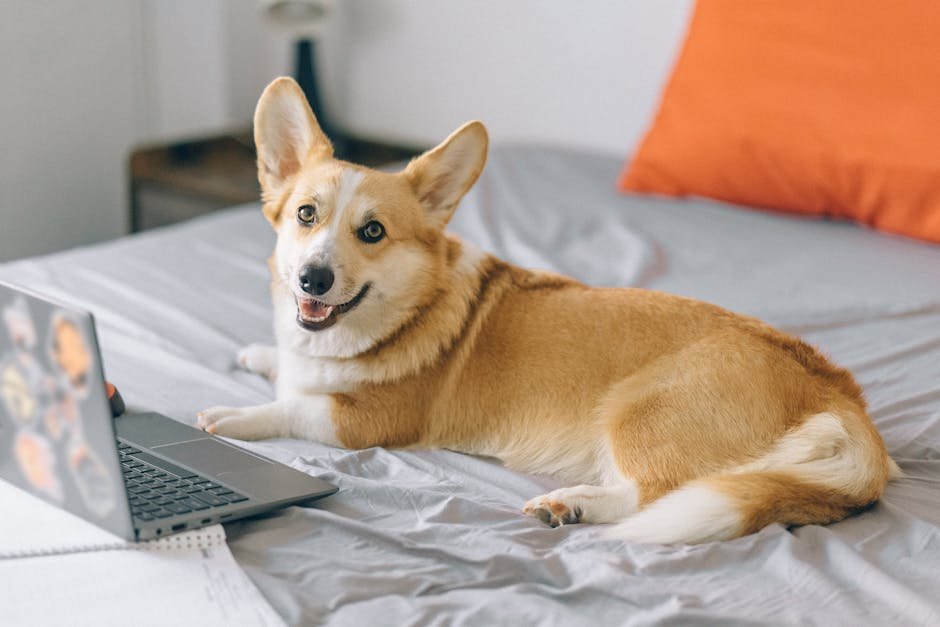

Here is the surprising part: separation-related behaviors are estimated to affect roughly 14% to 20% of dogs in population studies, yet many owners still assume a pet camera is just a convenience gadget. In reality, the right camera can reveal pacing, vocalizing, destructive behavior, or long sleep stretches that completely change how you manage a pet left home alone.
That does not mean every pet camera improves welfare. Some features help monitor routines and reduce owner uncertainty, while others can overstimulate anxious pets or add monthly costs that are easy to miss.
Key Takeaways: A pet camera is most useful when it delivers clear video, reliable alerts, secure storage, and two-way audio that does not distress your dog or cat. Treat tossing and motion tracking can be helpful for some households, but the best value often comes from matching camera features to your pet’s behavior, home layout, and your work schedule.
Why pet cameras matter more than many owners think
A common misconception is that if a pet eats, sleeps, and greets you happily after work, everything is fine during the day. Veterinary behavior literature suggests the opposite can be true: many stress-related behaviors happen only when owners are absent, which means they are easy to miss without video monitoring.
The AVMA and ASPCA both emphasize behavior monitoring as part of responsible pet care, especially when evaluating stress, environmental enrichment, and household safety. A camera cannot diagnose anxiety, pain, or cognitive decline, but it can give you objective clues to discuss with your veterinarian.
- For dogs: look for barking bursts, pacing, door fixation, panting, salivation, and repetitive circling.
- For cats: look for litter box avoidance, excessive vocalizing, sudden hiding, conflict with other pets, or reduced movement.
- For seniors: look for confusion, mobility issues, disrupted sleep, or difficulty reaching food and water stations.

What actually makes a pet camera worth buying
Not every pet camera marketed for working owners solves a real problem. From a product-review standpoint, the strongest buying criteria are image quality, alert reliability, app stability, data privacy, and total cost over time.
For most households, 1080p is the baseline. If your pet spends time far from the camera, 2K or 2.5K resolution can make ear position, limping, or interactions with furniture easier to interpret.
Features that matter most
- Wide field of view: 130 to 360 degrees helps reduce blind spots in living rooms and entryways.
- Night vision: essential for winter evenings, late shifts, or checking senior pets overnight.
- Motion and sound alerts: useful when tuned properly; poor sensitivity creates alert fatigue.
- Two-way audio: helpful for some calm pets, but it can increase frustration in dogs with strong separation distress.
- Treat tossing: entertaining and enriching for food-motivated dogs, though less useful for many cats and some anxious dogs.
- Cloud or local storage: important if you need event history rather than live-only viewing.
- Security features: encrypted video, two-factor authentication, and transparent privacy policies matter.
Research-backed pet care means focusing on observation, not gimmicks. If your goal is welfare monitoring while at work, video quality and dependable alerts usually matter more than novelty functions.

Pet camera comparison table
The models below are commonly considered by owners searching for the best pet camera for workdays. Pricing changes often, so ranges are approximate and should be checked before purchase.
| Model | Included features | Video | Approx. price | Approx. price per day over 1 year | Average user rating |
|---|---|---|---|---|---|
| Furbo 360 Dog Camera | 360-degree rotation, treat tossing, barking alerts, two-way audio | 1080p | $150-$210 | $0.41-$0.58 | 4.3/5 |
| Petcube Cam | Compact design, two-way audio, motion alerts, cloud options | 1080p | $40-$55 | $0.11-$0.15 | 4.1/5 |
| Eufy Indoor Cam Pan & Tilt | Pan/tilt coverage, local storage, motion tracking, pet monitoring flexibility | 2K | $55-$70 | $0.15-$0.19 | 4.5/5 |
| Wyze Cam Pan v3 | Pan/tilt, color night vision, app alerts, budget-friendly design | 1080p | $35-$45 | $0.10-$0.12 | 4.4/5 |
If you prefer a strict pet-branded device, Furbo and Petcube are obvious candidates. If you care more about value and coverage, Eufy and Wyze often compete strongly despite being broader home-monitoring cameras.

Specs, storage, and monthly cost comparison
Total ownership cost matters more than sticker price. Some cameras stay affordable only if you are comfortable with local storage or live-only viewing, while others become much more expensive once you add subscription plans.
| Model | Storage option | Subscription range | Field of view / movement | Best fit |
|---|---|---|---|---|
| Furbo 360 Dog Camera | Cloud-focused event history | About $7-$10/month depending on plan | Rotating 360-degree coverage | Owners who want pet-specific alerts and treat tossing |
| Petcube Cam | Cloud-based clips and history | About $4-$9/month | Fixed lens | Small rooms, apartments, cat corners, crate areas |
| Eufy Indoor Cam Pan & Tilt | Local microSD plus app options | Often optional | Pan and tilt | Value-focused owners who want better resolution |
| Wyze Cam Pan v3 | microSD and cloud options | About $3-$10/month depending on plan | Pan and tilt | Budget shoppers covering larger spaces |
From a pure value perspective, the best pet camera for many working households is not necessarily the most pet-branded one. A high-resolution indoor camera with local storage can outperform a pet-specific device if your main goal is checking behavior patterns rather than tossing treats remotely.
How to choose the right camera for your pet type
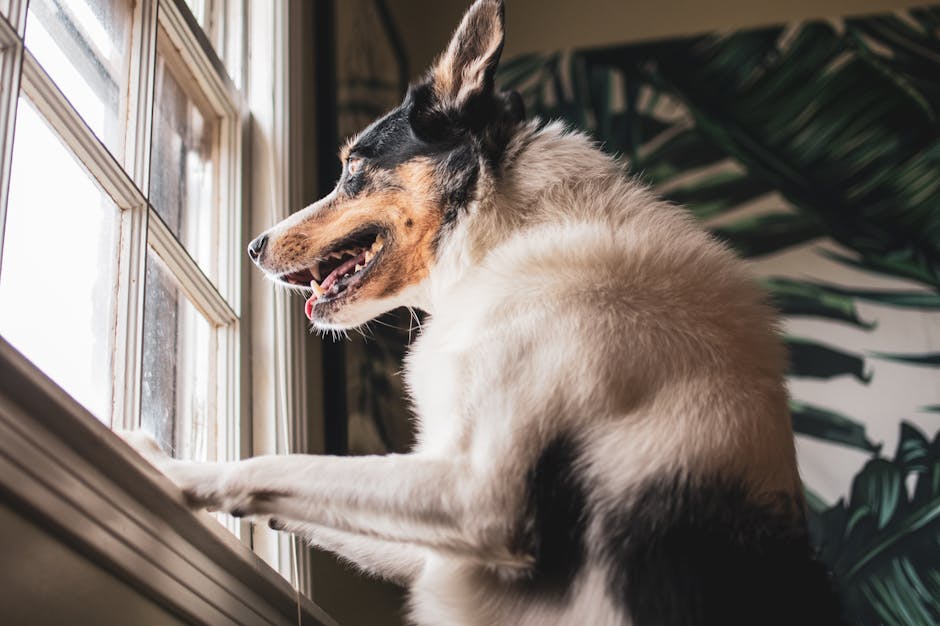
For dogs with possible separation stress
Prioritize sharp video, bark or sound alerts, and enough field of view to capture doorways and pacing routes. Be cautious with two-way audio if your dog becomes more agitated when hearing your voice without seeing you.
Behavior experts often recommend using monitoring tools to identify triggers first. If you notice escalating vocalization, drooling, escape attempts, or nonstop pacing, the camera data is useful evidence to share with your veterinarian or a board-certified veterinary behaviorist.
For cats
Cats usually benefit more from multiple camera angles than from pet-specific interaction features. One camera near feeding and litter areas, and another near a favorite perch, may reveal more than a single expensive device with treat tossing.
Look for quiet notifications, crisp night vision, and easy playback. Cats often show subtle welfare changes, so details like reduced jumping, longer hiding periods, or conflict at shared resources matter.
For senior pets
Senior dogs and cats need monitoring for mobility, restlessness, confusion, and access to essentials. A camera with 2K resolution and strong low-light performance is especially helpful if you need to watch gait changes, missed litter box entries, or difficulty standing.
PetMD and other veterinary education resources routinely note that subtle changes in activity and routine can be early clues for pain or age-related disease. A camera can help you track patterns, but it should never replace an exam.
This next part is where it gets interesting.
Common mistakes when buying a pet camera for workdays
- Buying based only on treat tossing: fun feature, but not the main predictor of usefulness.
- Ignoring subscription fees: a $40 camera can cost more over time than a $100 camera with local storage.
- Placing the camera too high: chest-level or room-corner placement usually shows behavior better.
- Assuming two-way audio is always calming: for some pets, it creates confusion rather than comfort.
- Using one camera for a multi-room home: blind spots hide the exact behaviors you are trying to monitor.
- Overlooking cybersecurity: weak passwords and poor privacy controls are real concerns with connected indoor cameras.
The ASPCA’s guidance on enrichment and home management supports the idea that environment matters. Cameras work best when paired with practical welfare steps such as puzzle feeders, safe resting areas, water access, and predictable routines.
What the evidence suggests about camera use and pet welfare
There is no strong veterinary evidence that pet cameras alone treat separation anxiety. What they can do is improve owner observation, support earlier intervention, and reduce guesswork about when and how distress occurs.
That distinction matters. If your dog is calm for seven hours and becomes vocal only during hallway noise at 3 p.m., the solution may involve sound management, routine changes, enrichment timing, or medical evaluation rather than simply speaking through the app.
AVMA-aligned behavior advice generally favors identifying triggers, ruling out medical causes, and using structured behavior plans when anxiety is suspected. In that framework, a camera is a monitoring tool, not a treatment.
Which pet camera is the smartest pick for most owners?
Choose Furbo 360 if your main goal is dog-focused remote interaction and you are comfortable paying more for app features and treat tossing. It is especially appealing for single-dog homes where barking alerts and reward delivery feel genuinely useful.
Choose Petcube Cam if you want a smaller, simpler pet-oriented camera for a limited area such as a crate zone, cat room, or apartment living space. It is easier on the budget but less flexible in larger rooms.
Choose Eufy Indoor Cam Pan & Tilt if you want the best balance of resolution, flexible coverage, and lower long-term cost. For many evidence-minded buyers, this is the strongest value option.
Choose Wyze Cam Pan v3 if your budget is tight and you still want broad coverage. It is often enough for routine check-ins, though app experience and storage preferences may influence long-term satisfaction.
For the average workday pet owner, the strongest overall buying logic is simple: prioritize coverage, clarity, and usable playback over flashy interaction tools. The best pet camera is the one that helps you spot meaningful patterns without locking you into unnecessary costs.
FAQ
Can a pet camera reduce separation anxiety?
Not by itself. A camera may help you identify triggers and track behavior, but true separation anxiety often requires a veterinary assessment and a structured behavior plan.
Is two-way audio good for dogs left alone?
Sometimes. Calm dogs may respond well, but dogs with stronger separation distress can become more frustrated when they hear your voice without seeing you.
What video quality is best for monitoring pets while at work?
1080p is a practical minimum, while 2K gives better detail for subtle behavior changes, especially in larger rooms or for senior pets.
Do cat owners need a pet-specific camera?
Usually not. Many cat households do well with a quiet indoor security camera that offers clear night vision, playback, and wide or movable coverage.
Sources referenced: AVMA pet care and behavior resources; ASPCA behavior and enrichment guidance; PetMD veterinary education articles; peer-reviewed veterinary behavior research on separation-related behaviors in dogs.
This is informational content, not veterinary advice. Consult your veterinarian for personalized recommendations.
📌 You May Also Like