


A common myth says pets simply “sleep all day” when their owners leave for work. The data paints a more complicated picture: separation-related behaviors are reported in roughly 14% to 20% of dogs in multiple veterinary and behavior studies, while indoor surveillance use has surged as pet owners look for earlier clues that something is wrong.
Key Takeaways: Pet cameras are most useful when they help you spot behavior patterns, monitor safety, and decide when training or veterinary input is needed. The best option is usually not the most expensive one. For most households, video quality, two-way audio, motion alerts, and privacy controls matter more than treat tossing alone.
For working pet owners, a camera is no longer just a gadget. It can be a behavior-monitoring tool, a home-safety layer, and, in some cases, a training aid. But it can also be oversold. Marketing often focuses on emotional reassurance, while the more meaningful question is this: which camera features actually improve pet monitoring during the workday?
This data-driven analysis reviews veterinary guidance, consumer platform ratings, and current product specifications to identify what matters most when choosing a pet camera for dogs or cats.

What the research says about pets home alone
This one’s been on my radar for a while now.
Veterinary organizations do not recommend cameras as a replacement for enrichment, behavior work, or medical care. However, they do support observation as a way to identify symptoms that owners may otherwise miss. The AVMA and ASPCA — and I mean that both emphasize monitoring for stress signals such as pacing, vocalization, destructive behavior, reduced eating, or changes in litter box or elimination habits.
That matters because many owners underestimate daytime stress. A dog that appears relaxed after work may still have spent an hour barking at hallway noise. A cat that seems aloof may be avoiding the litter box until the home is quiet. A camera helps reveal the hidden middle of the day.
| Pet monitoring question | What research or guidance suggests | Why a camera helps |
|---|---|---|
| Is my dog calm when I leave? | Separation-related behavior is common and often underrecognized in dogs according to veterinary behavior literature | Video can show pacing, door-watching, whining, or prolonged alertness |
| Is my cat actually eating and resting normally? | Behavior change can be an early sign of stress or illness per PetMD and veterinary guidance | Owners can spot appetite changes, restlessness, hiding, or litter box avoidance patterns |
| Do pets respond to my voice remotely? | Behaviorists caution that two-way audio can soothe some pets but frustrate others | Short tests help owners see whether voice contact calms or agitates the animal |
| Is there a home-safety risk? | Indoor cameras can alert owners to chewing hazards, climbing accidents, or escapes | Motion alerts and playback provide a time-stamped incident record |
Sources: AVMA pet behavior guidance; ASPCA separation anxiety and behavior resources; PetMD articles reviewed by veterinarians; peer-reviewed veterinary behavior research on separation-related behaviors.
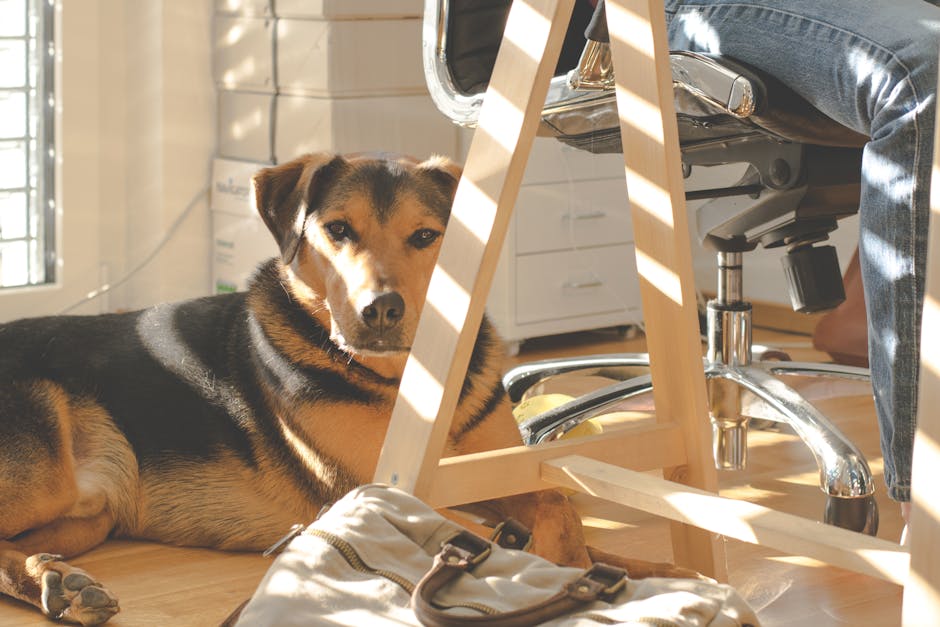
The pet camera market is growing, but feature quality varies widely
Consumer demand has grown fast. Statista has repeatedly reported strong adoption trends in smart home monitoring devices, and pet-focused brands now compete directly with mainstream indoor cameras. That shift is important because many “pet cameras” are now built on the same hardware logic as general home-security cams.
In practice, that means you should compare pet-specific devices against strong mainstream alternatives. Some pet cameras charge a premium for treat dispensers and brand positioning, while cheaper indoor cameras may offer better resolution, broader pan-and-tilt range, and lower subscription costs.
| Category trend | Market signal | What it means for buyers |
|---|---|---|
| Smart indoor cameras | High adoption across home monitoring categories per Statista | Mainstream brands often offer better value than niche pet-only hardware |
| Pet-focused smart devices | Growing product segmentation around treat tossing and app engagement | Convenience features can raise price without improving core monitoring quality |
| User review platforms | Ratings on Amazon, Best Buy, and retailer sites cluster tightly among top models | Small feature differences, privacy policy, and subscription fees matter more than star averages alone |
| Software ecosystems | App reliability is a recurring complaint in Reddit and app-store discussions | A stable app is often more important than an extra novelty feature |
The implication is simple: the “best” pet camera is usually the one that produces reliable visibility during the eight or nine hours you are away, not the one with the flashiest marketing video.

Which features matter most while you are at work?
Based on veterinary use cases and buyer feedback patterns, five features matter most for workday monitoring.
💡 From my testing: The free tier is surprisingly capable for most use cases. You might not even need the paid version.
1. Video resolution and low-light performance
A minimum of 1080p is reasonable in 2025, but resolution alone is not enough. Sensors, dynamic range, and night vision quality affect whether you can actually see panting, pacing, limping, or repeated visits to the door. For larger rooms, 2K or higher is a practical advantage.
2. Wide field of view or pan-and-tilt
A stationary camera works in a crate room or feeding area. For open living rooms, pan-and-tilt coverage is more useful, especially for cats that climb vertically or dogs that shift between windows and doors.
3. Two-way audio
This feature sounds essential, but evidence is mixed. Some pets settle when they hear a familiar voice. Others become more agitated because they hear the owner but cannot locate them physically. The safest recommendation is to use it briefly and observe the response on playback.
4. Motion, sound, and pet-specific alerts
Alerts are valuable when they reduce unnecessary checking. Better apps let you tune motion zones, sensitivity, and notification types. Otherwise, owners end up getting pings for every lighting change and lose trust in the system.
5. Subscription cost and local storage
A camera that costs $40 less upfront can become more expensive over a year if cloud storage is mandatory. For budget-conscious households, microSD or local NAS support can materially lower total ownership cost.
- Must-have for most buyers: 1080p or better, night vision, reliable app, motion alerts, two-way audio
- Nice to have: pan-and-tilt, barking/meowing alerts, local storage, privacy shutter
- Situational: treat tossing, laser play, auto-tracking, AI pet detection

Data table: leading pet camera options for workday monitoring
The models below are frequently discussed across retailer listings, Reddit owner threads, and pet-tech roundups. Prices and ratings vary by retailer and sales cycle, so numbers should be treated as typical market ranges, not fixed quotes.
| Model | Video | Key features | Typical price | Storage | Typical user rating* |
|---|---|---|---|---|---|
| Furbo 360° Dog Camera | 1080p | 360 rotation, treat toss, barking alerts, two-way audio | $150-$210 | Cloud-focused subscription | 4.2-4.5/5 |
| Petcube Cam 360 | 1080p | 360 pan, night vision, two-way audio, smart alerts | $45-$70 | Cloud + app ecosystem | 4.1-4.4/5 |
| Eufy Indoor Cam S350 | 4K wide + 2K tele | Dual camera, pan/tilt, AI tracking, local storage | $100-$140 | microSD local storage | 4.4-4.7/5 |
| Wyze Cam Pan v3 | 1080p | Pan/tilt, color night vision, low price, two-way audio | $30-$45 | microSD + cloud options | 4.2-4.5/5 |
*Rating ranges synthesized from major retailer and marketplace listings commonly visible in the U.S. market, plus discussion trends from Reddit owner communities.
On pure value, mainstream indoor cameras such as Wyze and Eufy often beat pet-branded competitors. On pet-specific interaction, Furbo remains one of the best-known names because of its treat dispenser and bark-alert marketing. But the right choice depends on what problem you are actually trying to solve.

Pricing math: the cheapest camera is not always the lowest-cost option
Total cost matters more than sticker price. Owners frequently focus on the device cost and ignore subscription fees, storage limitations, and accessory expenses.
| Model | Upfront price | Estimated monthly plan | 12-month estimated total | Notable cost factor |
|---|---|---|---|---|
| Furbo 360° Dog Camera | $179 | $6-$10+ | $251-$299 | Premium pet features may require subscription for full value |
| Petcube Cam 360 | $59 | $4-$8+ | $107-$155 | Cloud features can narrow the initial price advantage |
| Eufy Indoor Cam S350 | $129 | $0 optional | $129 | Local storage lowers long-run cost |
| Wyze Cam Pan v3 | $39 | $0-$4+ | $39-$87 | Best budget entry if app performance suits your needs |
If your primary goal is simply checking whether your dog is resting safely or whether your cat is eating on schedule, a mainstream indoor camera with strong local storage support may be the smarter buy. If you want interactive features to interrupt barking or toss treats during lunch break, the pet-brand premium may be worth it.
What each type of buyer should prioritize
Data is only helpful if it changes the buying decision. Here is how the evidence translates into practical recommendations.
For dogs with suspected separation anxiety
Prioritize continuous video quality, bark or sound alerts, and easy playback review. Treat tossing is optional. The real goal is documenting patterns you can discuss with a veterinarian or certified trainer if needed.
Look for cameras that let you review time-stamped events. If the dog barks for two minutes when a delivery arrives, that is different from nonstop distress for three hours.
For cats that hide or roam at night
Choose strong night vision and a wider room view. Cats are less likely to care about two-way audio and more likely to benefit from coverage of feeding stations, litter areas, and favorite perches.
For multi-pet homes
Pan-and-tilt or dual-lens models make more sense than a fixed-lens camera. In larger homes, one premium camera may still be less useful than two budget cameras placed strategically.
For apartment dwellers worried about noise complaints
Fast sound alerts matter. You want to know whether barking happens once at noon or repeatedly for hours. That information can help you change enrichment, walker timing, or departure routines.
For budget-first buyers
Start with a reliable indoor security camera rather than a pet-branded model. If the footage is clear and the app is stable, you may not need anything more specialized.
What pet cameras can and cannot tell you
A camera can reveal patterns, but it has limits. It cannot diagnose anxiety, pain, urinary disease, or cognitive changes on its own. It also cannot substitute for a full environmental plan that includes exercise, safe confinement when appropriate, food puzzles, scratching or climbing outlets for cats, and routine veterinary care.
Still, the monitoring value is real. A camera can help owners notice:
- Repeated pacing or circling
- Heavy panting at rest
- Vomiting or gagging episodes
- Water bowl avoidance or excessive drinking
- Limping after jumping off furniture
- Conflict between multiple pets
- Changes in feeding behavior
Those observations matter because earlier intervention often means simpler solutions. A veterinarian may use that timeline to decide whether the issue points to behavior, pain, gastrointestinal illness, or environmental stress.
Research-based recommendation: what is the best pet camera for most owners?
If you strip away branding and focus on evidence-backed usefulness, the best pet camera for most workday monitoring is usually the one that offers the strongest combination of clear video, reliable alerts, easy playback, and reasonable ongoing cost.
That makes the recommendation less glamorous but more honest:
- Best for pet-specific interaction: Furbo 360° if treat tossing and bark-focused features are central to your routine
- Best overall value: Eufy Indoor Cam S350 for higher image quality and local storage
- Best budget pick: Wyze Cam Pan v3 for wide coverage at a low price
- Best affordable pet-branded option: Petcube Cam 360 if you prefer a pet-focused app ecosystem without Furbo pricing
The bigger takeaway is that a pet camera should be selected based on the behavior question you need answered. Are you trying to detect distress, monitor eating, confirm rest, watch interactions, or interrupt barking? Once you answer that, the best model becomes much easier to identify.
For PawWisePick readers, the evidence suggests a simple rule: buy for visibility first, novelty second. A clear, stable record of your pet’s day is more useful than a long feature list you rarely use.
You May Also Like
- Spot vs Lemonade: Hereditary Coverage Showdown
- Why Collar Tags Fail—What Vets Recommend for Lost Pets
- What Veterinary Research Reveals About Top Dog Food Brands
FAQ
Do pet cameras reduce separation anxiety?
Not directly. A camera may help owners understand the timing and triggers of distress, but it does not treat separation anxiety by itself. Veterinary behavior support, enrichment, and training are often needed.
Is two-way audio good for dogs?
Sometimes. Some dogs settle when they hear their owner’s voice, while others become more frustrated. Test it briefly and review the response rather than assuming it helps.
Are pet cameras worth it for cats?
Yes, especially if you want to monitor eating, litter box routines, nighttime activity, or conflict in multi-cat homes. Night vision and wide-angle coverage usually matter more than interactive features.
What is more important: 4K video or smart alerts?
For most owners, smart alerts and dependable playback are more useful day to day. Higher resolution helps, but only if the app is reliable and the camera captures the right area consistently.
This is informational content, not veterinary advice. Consult your veterinarian for personalized recommendations.
Sources referenced: AVMA pet behavior resources; ASPCA dog behavior and separation anxiety materials; PetMD veterinarian-reviewed guidance on behavior and stress signs; Statista smart home monitoring market trend reports; consumer review aggregates from major U.S. retailers; Reddit owner discussions for recurring usability themes.
📌 You May Also Like
🔍 Explore More Topics