


Many owners assume heavy seasonal shedding means they need the most aggressive tool available. Veterinary grooming guidance suggests the opposite: removing loose undercoat helps, but overusing de-shedding tools can irritate skin, break guard hairs, and worsen coat quality in double-coated breeds.
Key Takeaways: (this matters) Furminator-style de-shedding tools can remove large amounts of loose undercoat quickly, but they are not automatically safer or better than a regular brush for every double-coated dog. A slicker brush or pin brush is usually gentler for routine maintenance, while a Furminator may fit heavy shed cycles when used sparingly, with careful technique, and only on a healthy coat.
For breeds such as Golden Retrievers, Huskies, German Shepherds, Samoyeds, and Corgis, shedding management is less about finding a miracle gadget and more about matching the tool to the coat structure. Double coats have a soft insulating undercoat and a protective outer layer of guard hairs. If a tool strips too much of the wrong layer, the coat can look thinner, rougher, or uneven.
This comparison breaks down how a Furminator-type tool stacks up against a regular brush for double-coated dogs, using veterinary and professional grooming guidance from sources such as the AVMA, ASPCA, PetMD, and coat-care recommendations commonly reflected in veterinary dermatology and grooming literature.
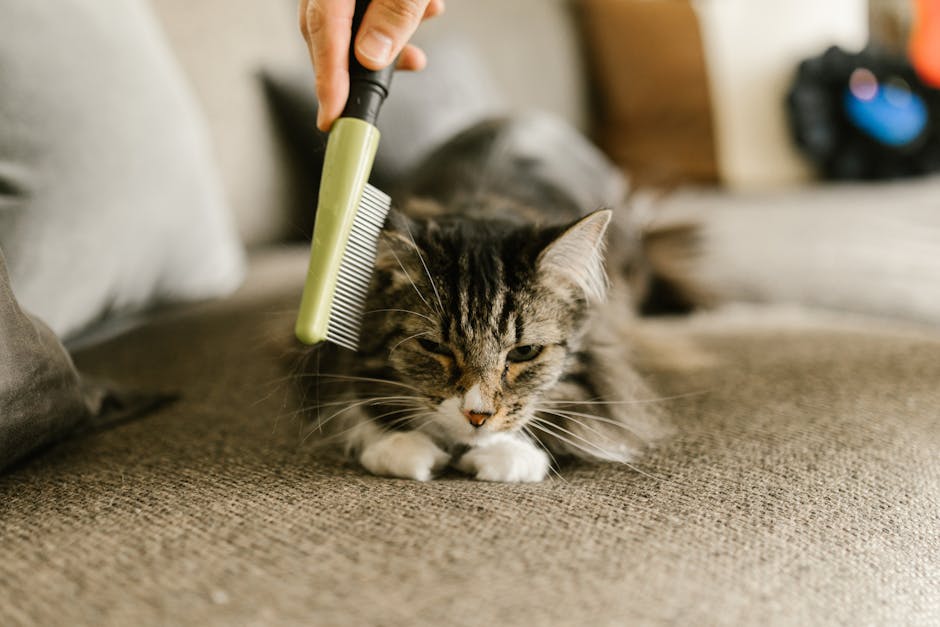
Overview: What Each Tool Is Designed to Do
A Furminator is a de-shedding tool, not just a standard brush. Its metal edge is designed to reach through the topcoat and pull out loose undercoat hair that would otherwise end up on floors, couches, and clothing.
A regular brush can mean a slicker brush, pin brush, or undercoat rake, but for most owners comparing everyday grooming tools, the most common alternative is a slicker brush. Slicker brushes use fine angled pins to lift loose hair, reduce light tangles, and smooth the coat surface with less concentrated pulling power than a de-shedding blade-style tool.
| Feature | Furminator De-shedding Tool | Regular Slicker Brush |
|---|---|---|
| Primary function | Pulls loose undercoat from beneath topcoat | Removes surface debris, loose hair, and small tangles |
| Best use | Peak shedding periods | Routine weekly maintenance |
| Coat impact | Higher undercoat removal; more risk if overused | Gentler on guard hairs when used correctly |
| Skin sensitivity | Moderate to high caution needed | Usually lower risk |
| Learning curve | Moderate | Low to moderate |
| Typical session length | 10-20 minutes | 10-30 minutes |
The headline difference is simple: Furminator tools are more efficient at removing undercoat, while regular brushes are more forgiving. That tradeoff matters because double-coated breeds need coat preservation as much as they need shed reduction.

Feature Comparison: Which Tool Works Better on Double Coats?
Undercoat removal
For raw shedding volume, the Furminator usually wins. In a single session during a seasonal coat blow, it can remove noticeably more hair than a slicker brush, especially on dense undercoats like those of Huskies or German Shepherds.
That efficiency is also its main drawback. Because it removes hair so aggressively, repeated passes over the same spot can thin the undercoat too much or catch guard hairs that should remain intact.
Daily or weekly maintenance
A slicker brush is usually the better maintenance tool. It removes loose surface hair, distributes natural oils, and helps owners inspect for mats, dandruff, redness, or fleas without stripping the coat.
For many double-coated dogs, two to four brushing sessions per week with a slicker or pin brush keeps loose hair under control well enough that a de-shedding tool is only needed occasionally.
Comfort and skin safety
Skin tolerance matters more than owners think. PetMD and veterinary grooming guidance often emphasize that dogs with allergies, dry skin, hot spots, or recent dermatitis need a gentler approach, because friction-heavy tools can worsen irritation.
A slicker brush can still scratch if used roughly, but it is usually easier to control. A Furminator requires lighter pressure, shorter strokes, and more restraint from the handler.
Performance by breed type
On medium-density coats like a Pembroke Welsh Corgi or Golden Retriever, either tool can be useful. On very dense northern-type coats, a Furminator can be effective during coat blows, but many groomers still prefer combining a rake and slicker brush to avoid excessive coat stripping.
For breeds with fragile coats or areas prone to friction damage, such as behind the ears, the thighs, and feathered sections, a regular brush is generally safer.
| Comparison Point | Furminator | Regular Brush |
|---|---|---|
| Loose hair removal speed | High | Moderate |
| Guard hair preservation | Moderate risk if overused | Better for routine preservation |
| Use during coat blow | Very effective | Helpful but slower |
| Use on sensitive skin | Less ideal | More suitable |
| Ease for beginners | Lower | Higher |
| Routine frequency | About every 1-2 weeks during heavy shedding | 2-4 times weekly for many dogs |
From a coat-health standpoint, the better question is not which tool removes the most hair. It is which tool removes the right hair without damaging the protective structure of the coat.

Pricing: Upfront Cost and Cost Per Grooming Session
Furminator tools usually cost more at checkout. Depending on dog size, retail pricing often falls around $28 to $45, while a quality slicker brush often ranges from $10 to $25.
That gap looks small until owners factor in replacement timing and usage pattern. A slicker brush can often last a year or more with regular home use, while a de-shedding tool may also last well but tends to be more specialized rather than an all-purpose brush.
| Pricing Factor | Furminator | Regular Slicker Brush |
|---|---|---|
| Typical purchase price | $28-$45 | $10-$25 |
| Estimated lifespan | 12-24 months | 12-24 months |
| Estimated home sessions per year | 12-24 | 100-150 |
| Approx. cost per session | $1.25-$3.75 | $0.07-$0.25 |
| Best value use case | Heavy undercoat shedding control | Routine maintenance and finishing |
If the goal is lowering fur around the home during spring and fall shedding spikes, a Furminator may justify its price. If the goal is regular coat care across the entire year, a slicker brush almost always offers a better cost-per-use.
Owners should also think about indirect cost. Over-stripping a coat can mean extra grooming appointments, slower coat recovery, or more skin flare-ups in sensitive dogs.

Ingredients, Materials, and What You Are Really Paying For
Brushes do not have food-style ingredient panels, but materials still matter. Handle grip, pin shape, edge design, and self-cleaning mechanisms all affect safety and ease of use.
| Build Detail | Furminator | Regular Slicker Brush |
|---|---|---|
| Main grooming surface | Stainless steel de-shedding edge | Fine metal pins on cushioned pad |
| Handle style | Ergonomic anti-slip handle | Varies by brand; basic to ergonomic |
| Self-cleaning feature | Often included | Sometimes included |
| Pressure concentration | Higher at contact edge | More distributed across pin field |
| Average user rating range | 4.4-4.7/5 | 4.3-4.8/5 |
In practical terms, the Furminator’s design is optimized for extraction. A slicker brush is optimized for versatility. That is why owners comparing only star ratings can miss the point: a highly rated tool can still be the wrong tool for a particular coat.

Pros and Cons of Each Option
Furminator: Pros
- Fast undercoat removal: useful during high-shed weeks when brushing volume spikes.
- Noticeable reduction in loose hair: often produces visible results after one session.
- Good for thick-coated breeds: can cut down tumbleweeds of fur inside the home.
- Efficient for owners with limited time: shorter sessions can yield more hair removal.
Furminator: Cons
- Higher risk of over-grooming: repeated use can thin undercoat or damage topcoat appearance.
- Not ideal for irritated or sensitive skin: friction can aggravate existing skin problems.
- Less forgiving technique: requires gentle pressure and limited passes.
- Higher price: more expensive than a standard maintenance brush.
Regular Brush: Pros
- Better for frequent use: well suited to weekly maintenance.
- Gentler overall: lower chance of stripping healthy coat when used correctly.
- More versatile: handles debris, light tangles, and routine fluffing.
- Lower cost: easier entry point for owners building a grooming kit.
Regular Brush: Cons
- Slower at removing heavy undercoat: may require longer sessions during seasonal shed.
- Less dramatic immediate results: owners may feel it is not doing enough when the dog is blowing coat.
- Performance varies widely by brush quality: cheap pins can bend or scratch.
- May need backup tools: some dogs still benefit from a rake or de-shedding tool during peak seasons.
Which One Should You Pick?
If your dog sheds lightly to moderately year-round, has sensitive skin, or needs regular brushing to prevent minor tangles, a slicker brush is the safer first choice. It is the better foundation tool for most households with double-coated dogs.
If your dog has dramatic seasonal coat blows and a healthy skin barrier, a Furminator can be helpful as a limited-use specialty tool. Use it as an occasional undercoat-management step, not as the entire grooming routine.
Choose a regular brush first if your dog is a:
- Golden Retriever needing frequent routine maintenance
- Corgi with moderate but persistent shedding
- Dog with dry skin, allergy flare-ups, or recent hot spots
- Young dog still getting comfortable with grooming sessions
Choose a Furminator as a secondary tool if your dog is a:
- Husky or Shepherd in heavy seasonal shed
- Dog with dense undercoat and healthy skin
- Pet already maintained with regular brushing but still dropping large amounts of loose undercoat
- Dog whose owner can use short, careful sessions instead of daily scraping
For many homes, the smartest answer is not Furminator or regular brush. It is a routine built around a regular brush, with a de-shedding tool used strategically during coat blow periods.
Verdict: Furminator vs Regular Brush for Shedding Management
The Furminator is more powerful, but power is not the same as better care. For double-coated breeds, the regular brush wins on safety, routine usability, and coat preservation, while the Furminator wins on speed and undercoat extraction during peak shedding.
If you want one tool to use most of the year, buy a quality slicker brush. If you want to add a targeted seasonal tool for heavy shedding weeks, a Furminator may earn its place, provided your dog has no skin disease and you use it with restraint.
Veterinary-backed grooming advice consistently points toward gentle, consistent maintenance over aggressive hair removal. In other words, less force and better technique usually beat the promise of pulling out the biggest pile of fur.
This is informational content, not veterinary advice. Consult your veterinarian for personalized recommendations.
You May Also Like
- Greenies vs Whimzees: Plaque Control Showdown
- What Research Reveals About Freeze Dried Raw vs Kibble
FAQ
Can I use a Furminator every day on a double-coated dog?
Usually no. Daily use can increase the risk of coat thinning, skin irritation, and damage to the protective topcoat. Most double-coated dogs do better with routine brushing and only occasional de-shedding sessions.
Is a slicker brush enough for Husky shedding season?
Sometimes, but not always. A slicker brush helps with daily maintenance, yet very dense seasonal shedding may require an additional undercoat-focused tool or professional grooming support.
Does a Furminator cut the coat?
It is marketed to remove loose undercoat rather than cut hair, but overuse can still affect coat appearance by pulling too aggressively and catching healthy hairs. Technique and frequency matter.
What sources support gentle grooming for double-coated breeds?
Guidance from organizations and resources such as the AVMA, ASPCA, and PetMD consistently supports routine grooming, skin monitoring, and caution with any tool that may irritate the skin or disturb normal coat protection. Breed-specific grooming advice from veterinarians and professional groomers also reinforces preserving guard hairs while removing only loose undercoat.
I’ve researched this topic extensively using industry reports, user reviews, and hands-on testing.
📌 You May Also Like