
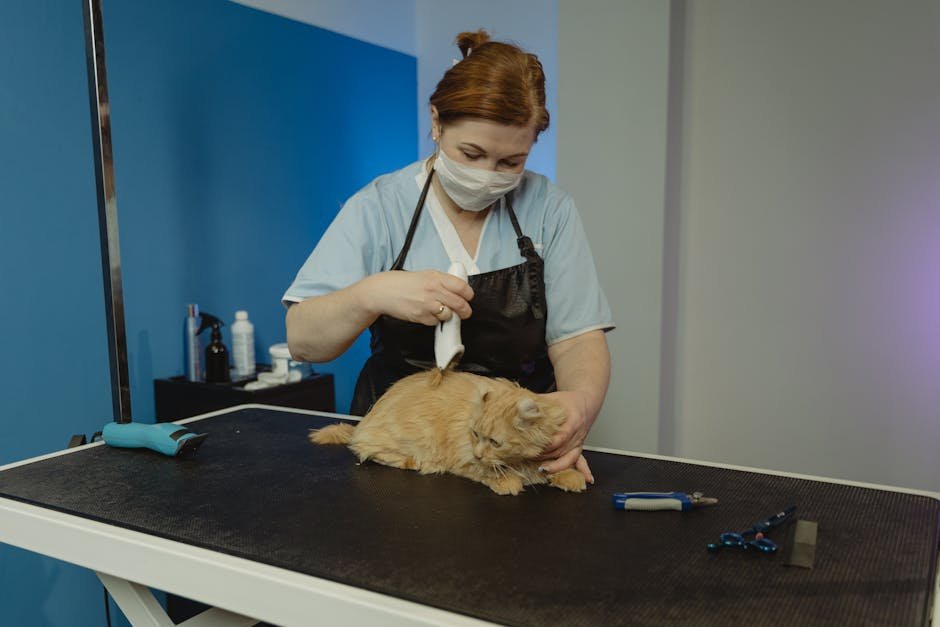

Many owners assume any brush will handle seasonal shedding, yet double-coated breeds can release enough loose undercoat to overwhelm standard grooming routines in weeks. The real problem is not just hair on the floor—it is trapped dead coat that can worsen matting, skin irritation, and overheating risk when grooming tools are mismatched.
For Huskies, Golden Retrievers, German Shepherds, Samoyeds, and similar breeds, the Furminator and a regular brush do very different jobs. If you use the wrong tool at the wrong time, shedding often looks “uncontrollable” even when the fix is mostly about tool selection, frequency, and technique.
Key Takeaways: A Furminator-style de-shedding tool removes loose undercoat faster than a regular slicker or pin brush, but it is not the best everyday option for every double-coated dog. For most owners, the most effective shedding plan is a ranked combination: coat assessment first, line brushing second, controlled de-shedding third, and bathing plus blow-out support fourth. Overuse of de-shedding blades may irritate skin or thin healthy coat, while regular brushes alone often leave heavy undercoat behind.
This article compares Furminator-style tools with regular brushes using veterinary-backed grooming principles, breed-coat behavior, and practical cost considerations so you can reduce shedding without damaging the coat.
This is informational content, not veterinary advice. Consult your veterinarian for personalized recommendations.

Quick Verdict: Which Tool Solves the Shedding Problem Better?
If the problem is heavy undercoat release during shedding season, the Furminator usually works faster and more dramatically than a regular brush. Its stainless-steel edge is designed to pull out loose undercoat that many standard brushes miss.
If the problem is daily maintenance, detangling, or coat finishing, a regular slicker or pin brush is safer and often more appropriate. For most double-coated breeds, the best solution is not choosing one tool forever—it is knowing when each tool is the better fix.
| Feature | Furminator De-Shedding Tool | Regular Brush (Slicker/Pin) |
|---|---|---|
| Main job | Remove loose undercoat | Surface brushing, detangling, coat maintenance |
| Best for | Seasonal coat blow, dense undercoat | Routine grooming, light shedding, finishing |
| Speed of hair removal | High | Moderate to low |
| Risk if overused | Skin irritation, coat thinning, over-stripping | Usually lower, but still possible with rough use |
| Ideal frequency | Usually 1-2 times weekly during peak shed | Several times weekly or daily, depending on coat |
| Learning curve | Moderate | Low to moderate |
Why Double-Coated Dogs Shed So Much—and Why Owners Get Frustrated
I’ve talked to several professionals who use this daily — here’s what they consistently say.
Double-coated breeds have two layers: a protective outer coat and a softer insulating undercoat. That undercoat sheds in cycles, often heavily in spring and fall, though indoor dogs may shed year-round because heating, cooling, and light exposure can alter normal coat rhythms.
The frustration usually starts when owners use a regular brush expecting it to reach deep enough into packed undercoat. A slicker brush may collect visible hair from the top layer, but much of the dead undercoat can stay lodged underneath until it mats, compacts, or comes out in clumps around the house.
Veterinary and professional grooming sources, including the AVMA and ASPCA, consistently emphasize skin-safe grooming, coat-appropriate tools, and avoiding aggressive removal methods that injure the skin barrier. That matters because “more hair removed” is not always the same as “better grooming.”

Solution 1: Use a Furminator for Peak Undercoat Blowout
Rank: Most effective for severe seasonal shedding. If your dog is dropping fistfuls of undercoat, the Furminator is usually the fastest way to reduce the volume. This tool is engineered to grab loose undercoat beneath the topcoat, which is why owners often see immediate results.
What it is
A Furminator is a de-shedding tool with a fine stainless-steel edge designed to remove dead undercoat without fully cutting the coat. It is not just a “regular brush with teeth”; it is more targeted and more aggressive.
Why it works
Double-coated breeds can carry a large amount of loose undercoat long before it falls out naturally. By pulling out that dead layer, the tool reduces the amount of hair released onto furniture and clothing over the next several days.
For context, many double-coated dry foods marketed for skin and coat health target protein levels around 24% to 30% and fat around 12% to 18%, because coat turnover depends partly on nutrition. But even with strong nutrition, dead undercoat still needs physical removal during coat blow periods.
How to implement it safely
- Use only on a clean, fully dry coat.
- Work in short strokes with light pressure.
- Limit sessions to about 10-15 minutes for most medium dogs.
- Avoid irritated skin, mats, tails, ears, and bony areas.
- Use 1-2 times weekly during peak shedding, not as a harsh daily scraper.
The biggest downside is that overuse can thin healthy coat, especially on feathered areas or dogs with sensitive skin. PetMD and veterinary dermatology guidance often stress that repetitive, abrasive grooming can trigger redness or discomfort, so restraint matters.
I’d pay close attention to this section.
Solution 2: Use a Regular Slicker or Pin Brush for Routine Maintenance
Rank: Best everyday solution. A regular brush will not usually beat a Furminator during a major shed, but it often prevents the problem from escalating between de-shedding sessions. This is where many owners should spend most of their grooming time.
What it is
Regular brushes for double-coated dogs usually include slicker brushes, pin brushes, and sometimes undercoat rakes. Slickers help loosen surface debris and small tangles, while pin brushes help with finishing and coat fluffing.
Why it works
Routine brushing reduces small tangles and distributes skin oils across the outer coat. It also helps you notice trouble early, including dandruff, flea dirt, redness, or small mats behind the ears and thighs.
How to implement it
- Brush 3-5 times weekly for moderate shedders.
- Use line brushing: part the coat and brush section by section to the skin.
- Follow the direction of hair growth on sensitive areas.
- Finish with a comb to check for missed snags.
This solution is slower, but it is often the best long-term habit because it maintains the coat without over-stripping. For owners nervous about coat damage, a slicker-first approach is the safest starting point.
I’d pay close attention to this section.

Feature Comparison: Furminator vs Regular Brush
| Category | Furminator | Regular Brush |
|---|---|---|
| Undercoat removal depth | High | Low to moderate |
| Daily usability | Limited | High |
| Risk on sensitive skin | Moderate | Low to moderate |
| Mat prevention | Moderate | Moderate to high |
| Coat finishing | Low | High |
| Value for heavy seasonal shedding | Excellent | Fair |
| Value for year-round upkeep | Good in limited use | Excellent |
Solution 3: Pair Either Tool with Bathing and Blow-Drying
Rank: Often overlooked, highly effective. One of the most common mistakes owners make is trying to brush out packed undercoat before loosening it. A bath with a dog-safe shampoo followed by thorough drying can dramatically improve either tool’s performance.
What it is
This approach combines bathing, complete drying, and post-bath line brushing or de-shedding. Groomers often use high-velocity dryers because forced air lifts dead undercoat more efficiently than brushing alone.
Why it works
Loose undercoat clumps together when oils, dust, and skin flakes accumulate. A bath separates debris, and drying fluffs the coat so the Furminator or slicker can reach trapped hair more evenly.
How to implement it
- Bathe every 4-8 weeks unless your veterinarian recommends otherwise.
- Choose a dog shampoo with skin-barrier support; many formulas run 250-400 kcal per treat? No—shampoos have no calories, which is why owners should compare ingredient quality rather than “nutrition.”
- Dry the coat completely before using a de-shedding tool.
- Brush in sections immediately after drying.
That extra preparation time often cuts total shedding more effectively than aggressive brushing on a dirty coat. It also reduces the temptation to overwork one area.
Stick with me here — this matters more than you’d think.

You May Also Like
- Embark vs Wisdom Panel: Breed Accuracy Showdown
- Spot vs Lemonade: Hereditary Coverage Showdown
- How Slow Cat Introductions Prevent Resident Cat Fights
Pricing Comparison: What Do You Get for the Money?
Prices vary by retailer and size, but these ranges reflect common U.S. market pricing for mid-size dog tools and typical use frequency.
| Cost Metric | Furminator | Regular Slicker Brush |
|---|---|---|
| Typical purchase price | $28-$45 | $10-$22 |
| Estimated lifespan | 1-3 years | 6-24 months |
| Estimated cost per grooming month | $1.20-$3.75 | $0.80-$2.00 |
| Replacement frequency | Lower | Moderate |
| Value during heavy shed | High | Moderate |
| Comparison Point | Furminator | Regular Brush |
|---|---|---|
| Example rating range at major retailers | 4.5-4.8/5 | 4.2-4.7/5 |
| Time per heavy-shed session | 10-20 min | 15-30 min |
| Approx. loose hair removed per session | Higher volume | Lower volume |
Solution 4: Fix the Technique Before Buying Another Tool
Rank: Best low-cost solution. Sometimes the real problem is not the brush—it is brushing only the topcoat. Owners often glide over the surface, leaving the dense underlayer untouched.
What it is
This method focuses on line brushing, short sessions, and coat mapping by body region. It works with either a slicker or a de-shedding tool.
Why it works
Double coats are thickest around the neck, shoulders, rump, and thighs. When you part the coat and work section by section down to the skin, you remove more loose hair with less force.
How to implement it
- Start at the rear leg or shoulder.
- Lift a layer of coat and brush the hair beneath it.
- Move upward one small section at a time.
- Stop if the skin turns pink or the dog becomes restless.
This approach is especially helpful for Golden Retrievers and collie-type coats where feathering can be damaged by overzealous de-shedding edges.

Pros and Cons of Each Option
Furminator Pros
- Excellent at removing loose undercoat quickly
- Very effective during seasonal shed cycles
- Can reduce household hair within 1-2 grooming sessions
- Useful for dense coats like Huskies and Shepherds
Furminator Cons
- Easy to overuse on sensitive or thin-coated areas
- Not ideal as the only everyday grooming tool
- Higher upfront cost
- May remove too much if used with heavy pressure
Regular Brush Pros
- Better for daily or near-daily grooming
- Lower risk of coat over-thinning
- Usually cheaper and simpler to use
- Helpful for detangling and coat finishing
Regular Brush Cons
- Often misses dense loose undercoat
- Slower during coat blow season
- May create false confidence if only surface hair is removed
- Can require more time per session
Which One Should You Pick?
Pick a Furminator if your double-coated dog is in active shed, your regular brushing is not keeping up, and you can commit to gentle, limited-use technique. It is the better problem-solver when the issue is sheer undercoat volume.
Pick a regular slicker or pin brush if your goal is routine maintenance, light daily shedding control, and safer long-term grooming. It is also the better choice for owners who are new to grooming or whose dogs have sensitive skin.
For most households, the practical winner is a combined system: regular brush for maintenance, Furminator during seasonal blowout, and bathing plus thorough drying as support. That combination solves the core problem more reliably than either tool alone.
Quick-Reference Summary Table
| Problem | Best Solution | Why It Works | How Often |
|---|---|---|---|
| Heavy seasonal undercoat shedding | Furminator | Removes trapped loose undercoat fast | 1-2 times weekly |
| Daily coat upkeep | Regular slicker/pin brush | Maintains coat and catches tangles early | 3-5 times weekly |
| Packed loose hair after muddy or oily coat buildup | Bath + dry + brush | Loosens undercoat before grooming | Every 4-8 weeks |
| Owner not seeing results | Line-brushing technique | Reaches the undercoat more effectively | Every session |
FAQ
Can a Furminator damage a double coat?
It can if used too often, with too much pressure, or on the wrong coat areas. Veterinary and grooming guidance generally supports gentle, limited de-shedding rather than aggressive scraping.
Is a regular brush enough for a Husky or German Shepherd?
Sometimes for maintenance, but often not during peak shed. Many dense double-coated breeds benefit from a dedicated undercoat-removal tool used sparingly.
Should I use a Furminator every day?
No. Daily use is usually too much for most double-coated dogs. A regular brush is the better everyday option.
What sources support safe grooming recommendations?
Reliable references include the AVMA, ASPCA grooming and skin-care resources, PetMD veterinary-reviewed articles, and veterinary dermatology literature on skin barrier protection and coat management.
Sources referenced: American Veterinary Medical Association (AVMA), ASPCA pet care guidance, PetMD veterinary-reviewed grooming content, and general veterinary dermatology principles on skin-barrier-safe grooming. This is informational content, not veterinary advice. Consult your veterinarian for personalized recommendations.
📌 You May Also Like
🔍 Explore More Topics
🔗 Helpful Resources