


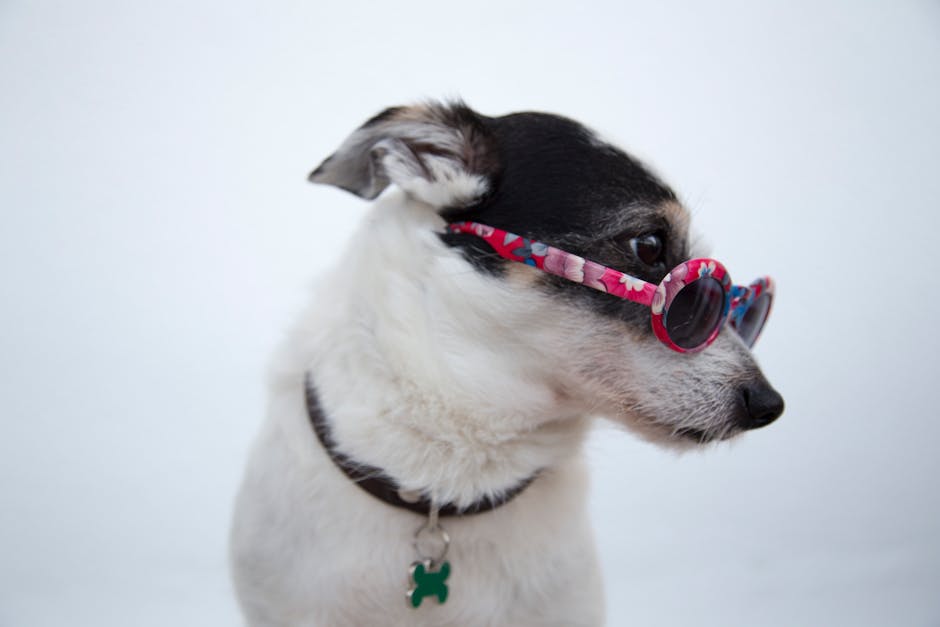
Many lost pets are wearing collars when they disappear, yet shelter intake data and veterinary organizations still report that visible tags fail far more often than owners expect. The common misconception is that a collar tag is enough on its own, but collars can break, slip off, become unreadable, or be removed before a pet is identified.
That is why veterinarians routinely recommend a microchip as a permanent backup form of identification rather than relying on tags alone. A microchip does not replace a collar tag for quick everyday recognition, but it creates a durable, scannable link between a pet and the owner when everything else goes wrong.
Key Takeaways: Microchips are tiny radio-frequency identification devices placed under the skin, usually between the shoulder blades. They do not track GPS location, but they can store a unique ID that shelters and clinics scan to contact the registered owner. Veterinary groups recommend using both a collar tag and a registered microchip, because tags are visible but removable, while microchips are hidden but permanent.
How microchip pet identification actually works
A pet microchip is a very small RFID transponder, roughly the size of a grain of rice. It is implanted under the skin using a needle, most commonly in dogs and cats during a routine veterinary visit.
The chip itself does not contain a battery and does not actively send signals. Instead, when a compatible scanner passes over the pet, the scanner emits a low-frequency radio signal that briefly powers the chip and prompts it to transmit its unique identification number.
That number is then matched to a registration database. The database record should contain the owner’s name, phone numbers, email address, and sometimes secondary contacts.
- Chip type: passive RFID transponder
- Typical size: about 11-13 mm long
- Placement: subcutaneous, usually between the shoulder blades
- Power source: none; activated by scanner
- Main function: permanent identification, not live tracking
Sources such as the AVMA and ASPCA emphasize the same point: a microchip is only as useful as the contact information linked to it. If the chip is never registered or the record is outdated, the chip may scan correctly but still fail to reunite the pet with the owner.

Why vets recommend microchips over collar tags alone
Collar tags remain useful because they provide immediate, visible identification. If a neighbor finds a loose dog and can read a phone number on the tag, the pet may get home within minutes without ever visiting a clinic or shelter.
The problem is reliability. Collar systems depend on the pet still wearing the collar, the tag still being attached, and the engraving still being legible. In real-world lost-pet scenarios, those conditions are not guaranteed.
Microchips solve a different part of the identification problem. Because the chip is implanted beneath the skin, it cannot fall off during escape, rough play, grooming, or accidents. That permanence is why veterinary professionals recommend it as the more dependable backup when a pet is separated from its visible ID.
| Identification Method | How It Works | Main Strength | Main Limitation |
|---|---|---|---|
| Collar tag | Visible tag with contact info | Fast recognition by anyone | Can break, slip off, or fade |
| Microchip | Scannable implanted RFID number | Permanent hidden ID | Requires scanner and updated registration |
| GPS collar | Battery-powered location tracking | Helps locate a missing pet in real time | Higher cost, charging needed, collar can still come off |
In other words, vets usually do not see this as an either-or choice. They recommend microchips over tags alone because a tag by itself is vulnerable, while a chip adds a persistent layer of protection.

What veterinary and shelter research says about reunification rates
Veterinary-backed guidance often points to shelter outcome research showing that microchipped pets are more likely to be reunited with their families than non-microchipped pets. The exact percentages vary by study and by shelter system, but the trend is consistent across animal welfare literature.
Research frequently cited in shelter medicine found that microchipped dogs and cats had higher return-to-owner rates than animals without chips. Cats, in particular, may benefit because they are less likely than dogs to wear collars consistently and more likely to arrive at shelters without visible identification.
Organizations such as the AVMA, ASPCA, and PetMD also stress that microchips help reduce long shelter stays, unnecessary rehoming, and owner uncertainty after a pet goes missing. When a scanned chip leads to a working phone number, the identification process becomes far faster and more defensible than relying on appearance or memory alone.
- Dogs: higher reunification rates when microchipped
- Cats: often see an even larger relative benefit because many lack collars
- Shelters: save time when intake staff can scan and contact owners quickly
- Veterinary clinics: can confirm ownership records during routine care
These findings explain why many clinics discuss microchipping during puppy and kitten visits, spay and neuter appointments, and adoption follow-ups. The recommendation is based less on trend and more on repeatable recovery outcomes.

Microchip myths owners still get wrong
One of the biggest myths is that a microchip works like a GPS tracker. It does not. A standard pet microchip cannot show your pet’s live location on a map, and it cannot help you search your neighborhood from an app.
Another common myth is that once the chip is implanted, the job is finished. In reality, implantation is only step one. Registration and periodic updates are what turn the number into a practical recovery tool.
Common misconceptions
- “It tracks my pet in real time.” No. Standard microchips store ID numbers, not GPS data.
- “The shelter will know who I am automatically.” Only if your chip is registered and the record is current.
- “One scan is always enough.” Not always. Proper scanning technique matters, and chips can migrate slightly.
- “My indoor cat does not need one.” Indoor pets still escape through doors, windows, movers, storms, or travel mishaps.
The AVMA and animal shelter experts also note that scanners differ, so clinics and shelters should use universal or multi-frequency scanners when possible. Modern compatibility is better than it once was, but scanning protocols still matter.
Cost, durability, and value compared with tags
From a budgeting perspective, microchips are often more affordable than owners assume. Implantation fees vary by clinic, region, and whether the chip is bundled with another visit, but many owners pay roughly $25 to $75 for implantation, with some shelters or community events offering lower-cost options.
By comparison, a metal collar tag may cost $8 to $20, and replacement tags add recurring expense over time. A GPS collar can cost far more upfront and may include monthly subscription fees.
| Option | Typical Upfront Cost | Estimated Ongoing Cost | Durability | Visibility |
|---|---|---|---|---|
| Basic collar tag | $8-$20 | $8-$20 when replaced | Low to moderate | High |
| Microchip | $25-$75 | $0-$25 registration depending on provider | High | None without scanner |
| GPS collar | $70-$200 | $5-$15 per month subscription | Moderate | High |
In pure value terms, microchips deliver long-term protection at a relatively low lifetime cost. The chip itself is designed to last for years, often for the pet’s entire life, while collar-based systems are more vulnerable to damage and loss.
That said, the ideal setup is often layered: a breakaway or properly fitted collar, a readable tag, and a registered microchip.
What happens after a lost pet is found and scanned
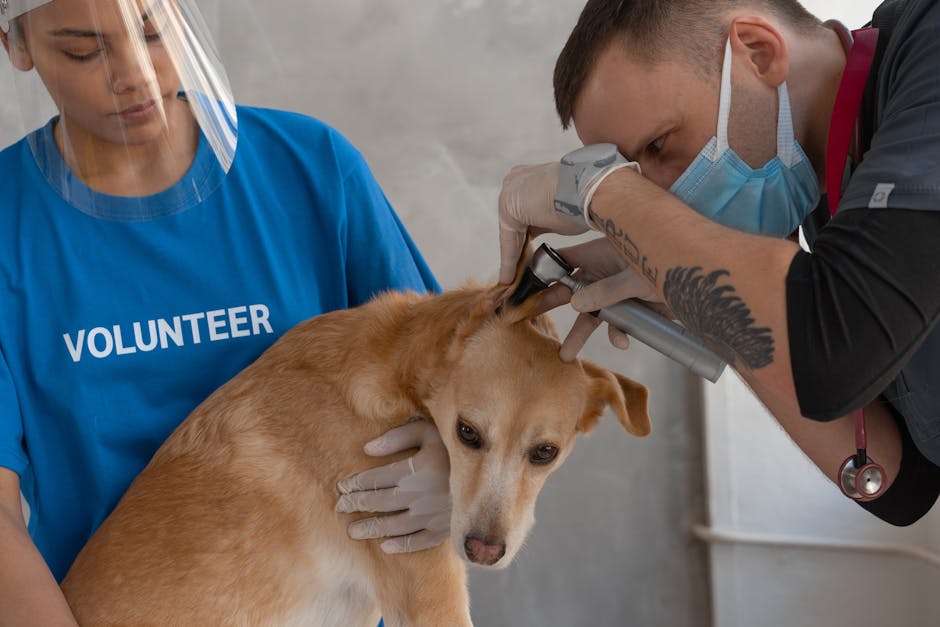
When a stray animal arrives at a veterinary clinic, shelter, or rescue, staff typically begin with a full-body scan for a chip. Best practice is not to scan only one spot, because chips can shift slightly from the original implantation site.
Once the scanner reads the unique number, staff check the relevant registry or lookup service to find the associated owner details. If the phone number is current, reunification can happen quickly.
Typical recovery workflow
- Pet is found and brought to a shelter, rescue, or clinic
- Staff scan the entire body for a microchip
- The unique chip number appears on the scanner
- Staff search the registration database
- Owner contact information is retrieved
- Owner is called, emailed, or texted
The weak point in this process is almost never the chip itself. It is usually one of three issues: the pet was never microchipped, the chip was never registered, or the owner’s phone number changed without the record being updated.
This is why many veterinarians treat microchip checks as part of annual wellness care. Confirming the chip is still readable and the database entry is current can make the difference between a close call and a permanent loss.
How to make a microchip more effective for your dog or cat
Microchipping is most effective when owners approach it as a system rather than a one-time procedure. Implantation, registration, visible identification, and routine updates all work together.
If you already know your pet has a chip, ask your veterinarian to scan it at the next visit and verify the number matches your records. Then log in to the registry and confirm every phone number and email address is current.
Checklist for better protection
- Register immediately: do not assume the clinic or shelter completed it for you
- Add multiple contacts: include a backup family member or trusted friend
- Keep a readable tag on the collar: faster for neighbors and good Samaritans
- Ask for annual scan verification: especially after adoption or relocation
- Use a secure, well-fitted collar: or a breakaway design for cats
- Update after every move or phone change: even one outdated number reduces the chip’s value
For indoor-only pets, this still matters. Fire alarms, open doors, home repairs, travel, or houseguests can create escape opportunities that owners do not anticipate.
When collar tags still matter most
Even though veterinarians recommend microchips over collar tags alone, tags still serve an important purpose. A visible tag can be the fastest way for a neighbor, dog walker, or passerby to contact an owner without involving a shelter at all.
That convenience matters during the first minutes or hours after a pet is found. A tag may shorten the recovery chain, while the microchip acts as the safety net if the collar is missing, unreadable, or intentionally removed.
The strongest evidence-based approach is not choosing one form of identification and ignoring the other. It is using a collar tag for immediate visibility and a microchip for permanent identity backup.
This is informational content, not veterinary advice. Consult your veterinarian for personalized recommendations.
FAQ
Do microchips hurt pets or require surgery?
Microchips are typically implanted with a needle during a routine appointment. Most pets tolerate the procedure similarly to a vaccination, though individual sensitivity can vary.
Can a microchip stop working over time?
Most microchips are designed for long-term use and are highly durable, but veterinarians still recommend periodic scanning to confirm readability and placement.
Does a microchip replace a GPS pet tracker?
No. A standard microchip identifies a found pet after scanning, while a GPS collar is designed to help owners monitor location in real time.
Should indoor cats and small dogs be microchipped too?
Yes. Veterinary organizations recommend microchips for indoor pets as well, because even low-risk pets can escape unexpectedly during moves, storms, or household disruptions.
Sources referenced: American Veterinary Medical Association (AVMA), ASPCA lost pet identification guidance, PetMD educational resources, and shelter medicine research on return-to-owner outcomes for microchipped pets.
📌 You May Also Like