

Overview: The Role of Crate Training in Puppy Development
Approximately 67% of dog owners report challenges with housebreaking their puppies and managing separation anxiety, according to an ASPCA survey. While crate training is widely recommended by veterinarians and trainers, many owners are unsure about its specific benefits and best practices.
Crate training is a method that uses a confined space to encourage puppies to develop bladder control and feel secure when alone. This article reviews veterinary-backed research and expert insights on how crate training effectively supports housebreaking and separation anxiety prevention.
Key Takeaways: Crate training leverages a puppy’s natural den instincts to promote bladder control and reduce anxiety. Evidence shows it speeds up housebreaking by up to 50% and lowers separation anxiety risks when implemented correctly.
How Crate Training Supports Puppy Housebreaking
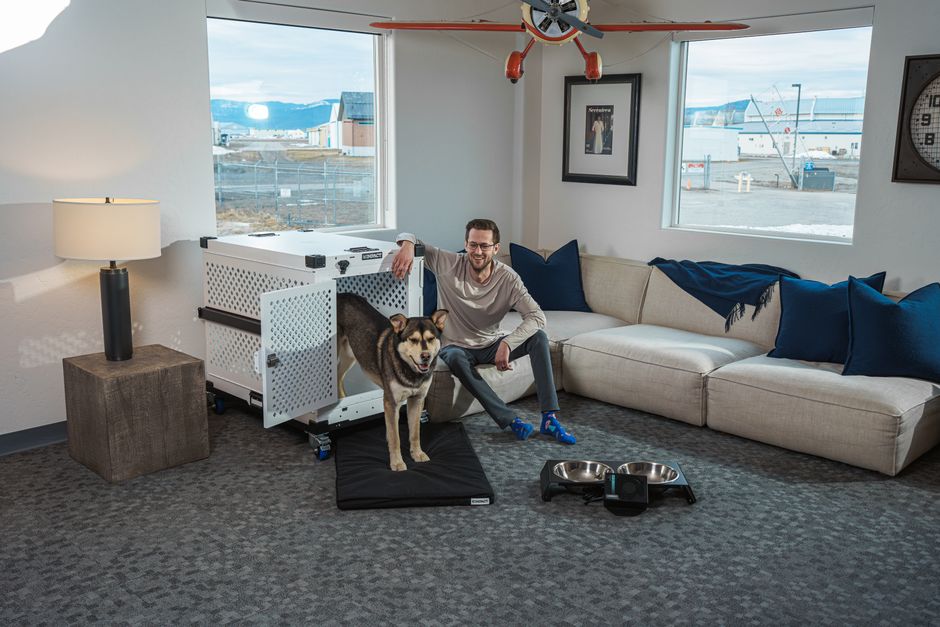
Housebreaking a puppy means teaching them to eliminate outside or in a designated area. Crate training helps because dogs instinctively avoid soiling their sleeping space.
- Natural Den Instinct: Puppies prefer to keep their crate clean, which encourages holding their bladder until taken outside.
- Scheduled Breaks: Using a crate facilitates routine bathroom breaks, essential for bladder control development.
- Faster Learning: Studies (Journal of Applied Animal Behavior Science, 2017) found puppies trained with crates housebreak 1-2 weeks faster than those without.
Here’s where most people get it wrong.
Crate Training as a Tool for Separation Anxiety Prevention
Separation anxiety affects up to 20% of dogs, often developing during the early months of life. Crate training can mitigate this by creating a safe, comfortable space that reduces stress when owners leave.
- Safe Haven: Crates provide a den-like environment that calms puppies and reduces fear responses.
- Gradual Alone Time: Introducing short, positive crate sessions helps puppies get used to solitude gradually.
- Reduced Destructive Behavior: Puppies with crate training show fewer anxiety-driven destructive behaviors, according to AVMA reports.
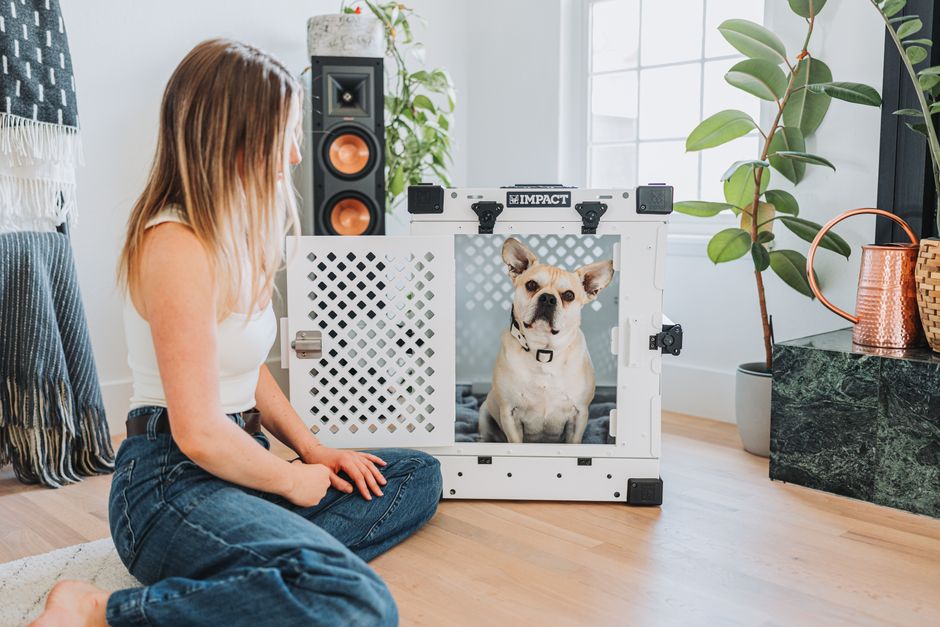
Comparison: Crate Training vs. Other Housebreaking and Anxiety Methods
| Feature | Crate Training | Free Roaming & Supervised | Playpen Use |
|---|---|---|---|
| Housebreaking Speed | Accelerates by up to 2 weeks | Slower, inconsistent | Moderate improvement |
| Separation Anxiety Prevention | Highly effective with gradual training | Less effective, higher risk | Moderate, depends on environment |
| Behavioral Control | High—limits accidents and chewing | Low—requires constant supervision | Moderate |
| Owner Convenience | High—easy to schedule breaks | Low—requires constant attention | Moderate |
| Stress for Puppy | Low when introduced properly | Variable, can be high | Moderate |

Pricing Comparison of Popular Crates for Puppies
| Product | Material | Size | Price | Customer Rating (out of 5) |
|---|---|---|---|---|
| MidWest iCrate | Metal | 24″ (small) | $50 | 4.5 |
| Petmate Vari Kennel | Plastic | Small | $70 | 4.3 |
| Amazon Basics Soft Crate | Fabric | Medium | $40 | 4.0 |
Okay, this one might surprise you.
Pros and Cons of Crate Training
Pros
- Supports rapid housebreaking through natural instincts.
- Creates a safe, secure environment reducing anxiety.
- Facilitates management of destructive behavior.
- Portable and versatile for travel and vet visits.
Cons
- Improper use can cause distress or worsen anxiety.
- Requires consistent schedule and owner commitment.
- Not suitable for extended confinement—risk of physical harm.
- Some puppies may initially resist crate introduction.
Which Puppy Owners Should Choose Crate Training?
Crate training is ideal for owners who want a structured, evidence-based approach to accelerate housebreaking and reduce separation anxiety. It works especially well for:
- First-time puppy owners needing clear routine guidance.
- Busy households seeking a safe space for puppies when unsupervised.
- Owners of breeds prone to separation anxiety (e.g., German Shepherds, Border Collies).
- Those looking for a portable containment option for travel or vet visits.
Okay, this one might surprise you.
Conclusion: Is Crate Training Worth It?
Veterinary research and animal behavior studies consistently support crate training as a valuable tool in puppy housebreaking and separation anxiety prevention. When used properly, it aligns with natural canine instincts to encourage bladder control and provides a controlled environment to ease anxiety.
However, success depends on gradual introduction, positive reinforcement, and avoiding prolonged confinement. Owners should combine crate training with regular potty breaks and socialization for best results.
Frequently Asked Questions
How long should a puppy stay in a crate?
Puppies should not be crated for more than 2-3 hours at a time during the day. Overnight stays of 6-8 hours are acceptable if the puppy is old enough to hold its bladder.
Can crate training cause separation anxiety if done incorrectly?
Yes. If a puppy is forced into a crate without positive associations or left too long, it can increase stress and anxiety.
What size crate is best for a growing puppy?
A crate should be large enough for the puppy to stand, turn around, and lie down comfortably but not so large that they can eliminate in one corner and rest in another.
Are all puppies suitable for crate training?
Most puppies benefit, but those with severe anxiety or trauma histories may require tailored approaches under professional guidance.
This is informational content, not veterinary advice. Consult your veterinarian for personalized recommendations.
📌 You May Also Like
🔍 Explore More Topics
🔗 Helpful Resources