
Understanding Shedding in Double Coated Dogs
Double coated dog breeds, such as Siberian Huskies, Golden Retrievers, and German Shepherds, have two distinct layers of fur: a dense undercoat and a protective topcoat. This unique coat structure helps regulate body temperature but also means these dogs shed significantly, especially during seasonal changes. According to the American Veterinary Medical Association (AVMA), managing shedding effectively is critical to pet health and home cleanliness.
Many owners struggle with excessive shedding, leading to frustration and concern about their dog’s coat condition. Choosing the right grooming tool is essential for reducing loose fur without damaging the coat or irritating the skin.
Key Takeaways:
– Double coated dogs require specialized grooming tools.
– Furminator targets undercoat shedding more effectively than regular brushes.
– Regular brushes maintain coat health but may not control heavy shedding.
– Combining grooming methods can optimize shedding management.
What Is the Furminator and How Does It Work?
The Furminator is a deshedding tool designed specifically to reach through the topcoat and remove loose undercoat hair. It features a stainless steel deShedding edge that glides through the fur, gently pulling out loose hairs without cutting or damaging the coat. This tool is particularly popular among owners of double coated breeds due to its targeted action on the undercoat.
Veterinary dermatologists, including those cited by PetMD, note that using a deshedding tool like the Furminator can reduce shedding by up to 90% if used correctly and regularly. The tool’s design minimizes discomfort, but improper use can cause skin irritation.
Here’s where most people get it wrong.
What Is a Regular Brush and Why Is It Still Important?
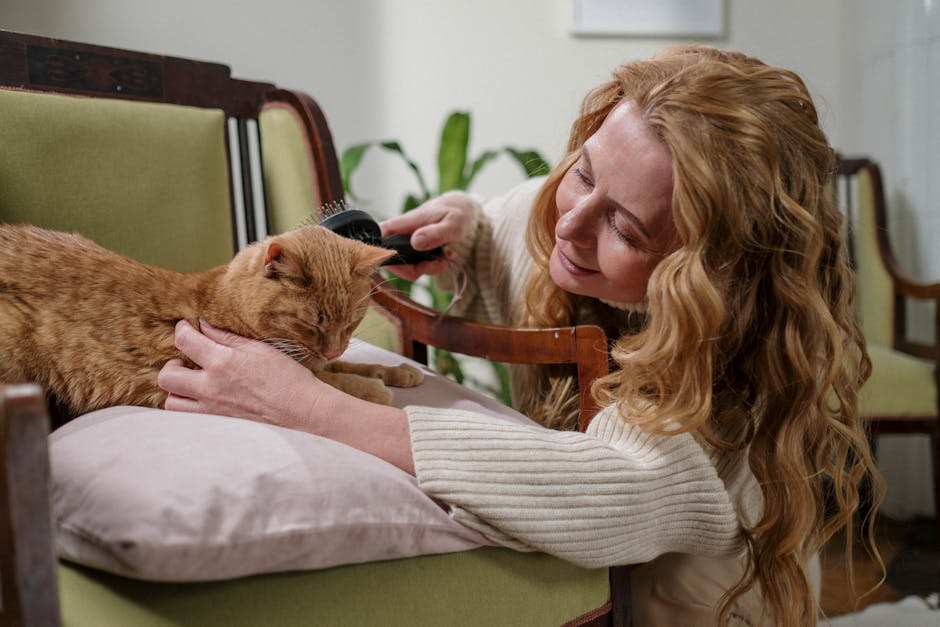
A regular dog brush, such as a slicker brush or bristle brush, is a more traditional grooming tool. Slicker brushes have fine wire bristles that remove surface debris and loose hair, while bristle brushes are gentler and help distribute natural oils to maintain coat shine.
While regular brushes are less effective at removing heavy undercoat shedding, they play a vital role in maintaining skin health and preventing matting. The ASPCA recommends regular brushing to stimulate circulation and keep the coat clean.
This is the part most guides skip over.
How Furminator and Regular Brushes Differ in Shedding Management
| Feature | Furminator | Regular Brush (Slicker/Bristle) |
|---|---|---|
| Primary Purpose | Remove loose undercoat hair | Remove surface hair and debris |
| Blade/Bristles | Stainless steel deShedding edge | Fine wire bristles or soft bristles |
| Effectiveness on Undercoat | High | Low to moderate |
| Skin Irritation Risk | Moderate if misused | Low |
| Frequency of Use | Weekly or bi-weekly | Daily to several times per week |
| Price Range | $25-$40 | $7-$20 |
Okay, this one might surprise you.

Pricing Comparison
| Product | Price Range | Price per Use (Est.) |
|---|---|---|
| Furminator | $25 – $40 | $1.25 – $2.00 (based on 20 uses) |
| Regular Brush (Slicker or Bristle) | $7 – $20 | $0.35 – $1.00 (based on 20 uses) |
This next part is where it gets interesting.
Pros and Cons of the Furminator
- Pros: Highly effective at removing undercoat; reduces shedding significantly; designed specifically for double coated breeds; durable stainless steel blade.
- Cons: Higher price point; risk of skin irritation if used aggressively; requires careful technique to avoid damage.

Pros and Cons of Regular Brushes
- Pros: Affordable; gentle on skin; good for daily maintenance; helps distribute natural oils; reduces matting.
- Cons: Less effective for heavy undercoat shedding; may require more frequent grooming sessions; not ideal for removing dense loose hair.
How to Get Started with Shedding Management for Double Coated Dogs
Before selecting a tool, assess your dog’s coat condition and shedding level. If your dog experiences heavy seasonal shedding, incorporating a Furminator can be beneficial. For routine coat maintenance, regular brushes are essential.
Steps to begin:
- Start with gentle brushing to remove surface debris.
- Use the Furminator once a week during peak shedding seasons.
- Always brush in the direction of hair growth to avoid irritation.
- Check the skin regularly for signs of redness or discomfort.
- Wash and clean grooming tools after each use to prevent bacterial buildup.
Advanced Tips for Effective Shedding Control
- Combine Tools: Use a regular brush daily and a Furminator weekly for balanced care.
- Bathing: Regular baths with a moisturizing shampoo can loosen dead hair, making grooming easier. Avoid over-bathing to prevent skin dryness.
- Diet: High-quality nutrition rich in omega fatty acids supports coat health and reduces shedding (AVMA).
- Environment: Use air purifiers and vacuum frequently to manage shed hair at home.
Common Pitfalls to Avoid
- Overusing the Furminator: Excessive use can strip natural oils and irritate skin.
- Incorrect Technique: Applying too much pressure or brushing against hair growth can cause pain and damage.
- Ignoring Skin Health: Shedding can increase with skin conditions; monitor for allergies or infections.
- Skipping Regular Grooming: Infrequent brushing allows mats and dead hair to accumulate.
Frequently Asked Questions
1. Can the Furminator be used on all dog breeds?
The Furminator is designed primarily for dogs with medium to long double coats. It is less effective and not recommended for single-coated breeds or very short-haired dogs.
Now, here’s what most people miss.
2. How often should I use the Furminator?
For heavy shedders, using the Furminator once a week during shedding seasons is sufficient. Overuse can harm the coat and skin.
3. Will regular brushing alone control heavy shedding?
Regular brushing helps maintain coat health but often is insufficient to manage heavy undercoat shedding without a deshedding tool.
4. Can using these tools cause skin irritation?
Yes, improper use or excessive grooming can irritate the skin. Always use gentle strokes and observe your dog’s reaction.
5. Are there alternatives to the Furminator?
Yes, other deshedding tools like the Safari deShedding tool or Kong ZoomGroom offer similar benefits but vary in price and design.
This is informational content, not veterinary advice. Consult your veterinarian for personalized recommendations.
📌 You May Also Like
🔗 Helpful Resources